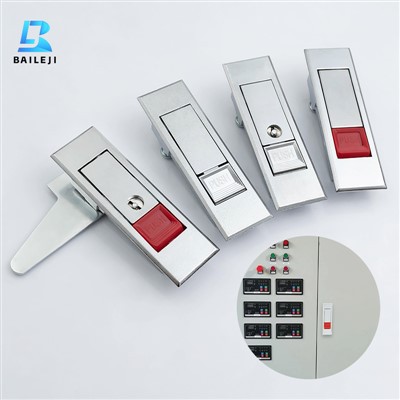
Cam locks are essential components in various applications, from cabinets and drawers to electronic enclosures and furniture. As a cam lock supplier, I often get asked by customers whether cam locks require any special tools for installation. In this blog post, I’ll delve into this question in detail, providing you with a comprehensive understanding of the installation process and the tools you might need. Cam Lock
Understanding Cam Locks
Before we discuss the installation tools, let’s briefly understand what cam locks are. A cam lock is a type of lock that uses a rotating cam to secure a door, drawer, or panel. When the key is turned, the cam rotates, either engaging or disengaging from a strike plate or catch. This simple yet effective mechanism makes cam locks a popular choice for many security applications.
Basic Installation Requirements
The installation of cam locks is generally straightforward and can be accomplished with basic tools that are commonly found in most households or workshops. The primary goal of the installation is to securely attach the lock to the surface and ensure that the cam aligns properly with the strike plate.
Step 1: Marking the Installation Location
The first step in installing a cam lock is to mark the location on the door, drawer, or panel where the lock will be mounted. This typically involves measuring and marking the center point for the lock hole and the location for the strike plate. A tape measure and a pencil are the essential tools for this step.
Step 2: Drilling the Hole
Once the location is marked, you’ll need to drill a hole for the cam lock. The size of the hole will depend on the specific cam lock model you’re using. Most cam locks come with a template that indicates the correct hole size and shape. A drill with the appropriate drill bit is required for this step. For standard cam locks, a drill bit with a diameter of around 20 – 25 mm is commonly used.
Step 3: Mounting the Lock
After drilling the hole, you can insert the cam lock into the hole from the inside of the door or panel. The lock is usually secured with screws that are provided with the lock. A screwdriver is needed to tighten the screws and ensure that the lock is firmly attached.
Step 4: Installing the Strike Plate
The final step is to install the strike plate on the frame or cabinet. The strike plate should be positioned so that the cam can engage with it when the lock is turned. Similar to mounting the lock, the strike plate is also secured with screws using a screwdriver.
Special Tools and Situations
In most cases, the basic tools mentioned above (tape measure, pencil, drill, and screwdriver) are sufficient for installing cam locks. However, there are some situations where special tools might be required.
High – Security Cam Locks
For high – security cam locks, the installation process might be more complex. These locks often have additional features such as anti – tamper mechanisms or reinforced housing. In some cases, you might need a specialized drill bit or a torque wrench to ensure that the lock is installed correctly and securely.
Installation on Hard Materials
If you’re installing cam locks on hard materials such as metal or thick plastic, a regular drill bit might not be sufficient. You may need a carbide – tipped drill bit, which is designed to cut through tough materials. Additionally, a drill press can provide more precision and stability when drilling holes in hard materials.
Large – Scale Installations
For large – scale installations, such as in a commercial or industrial setting, power tools can significantly speed up the process. A power drill with a variable speed setting can make drilling multiple holes much faster. Additionally, an impact driver can be used to quickly tighten the screws, especially if you’re dealing with a large number of locks.
Benefits of Using the Right Tools
Using the right tools for cam lock installation is crucial for several reasons. Firstly, it ensures that the lock is installed correctly and functions properly. A poorly installed cam lock may not engage or disengage smoothly, which can lead to security issues. Secondly, using the appropriate tools can prevent damage to the lock and the surface where it’s being installed. For example, using a drill bit that’s too large can cause the hole to be oversized, making it difficult to secure the lock properly.
Conclusion
In conclusion, while cam locks can generally be installed with basic tools, there are situations where special tools might be required. As a cam lock supplier, I recommend that you carefully read the installation instructions provided with your cam lock and assess the specific requirements of your installation. If you’re unsure about the tools you need or the installation process, don’t hesitate to contact me for further assistance.

Whether you’re a DIY enthusiast looking to secure your home cabinets or a professional installer working on a commercial project, having the right tools and knowledge is essential for a successful cam lock installation.
Cabinet Door Lock If you’re interested in purchasing cam locks for your project, I’d be more than happy to discuss your specific needs. We offer a wide range of cam locks in different sizes, styles, and security levels to meet your requirements. Contact me to start a conversation about your cam lock procurement.
References
- "Locksmithing Handbook" by American Locksmiths Association
- "Hardware Installation Guide" by National Hardware Manufacturers Association
Suzhou Baileji Intelligent Lock Industry Co., Ltd.
As one of the most professional cam lock enterprises in China, we’re featured by quality products and good price. Please rest assured to buy discount cam lock in stock here and get pricelist from our factory. Also, customized service is available.
Address: 3rd Floor, Building 9, Shengteng Industrial Park, No. 8 Ruyuan Road suzhou, jiangsu, China
E-mail: vip@bailejilocks.com
WebSite: https://www.bailejilock.com/
