Self-tapping inserts are innovative fasteners that have revolutionized the way we approach DIY projects. As a supplier of self-tapping inserts, I’ve witnessed firsthand the growing interest in these versatile components among DIY enthusiasts. In this blog post, I’ll explore whether self-tapping inserts are suitable for DIY projects, examining their benefits, applications, and potential challenges. Self-Tapping Inserts
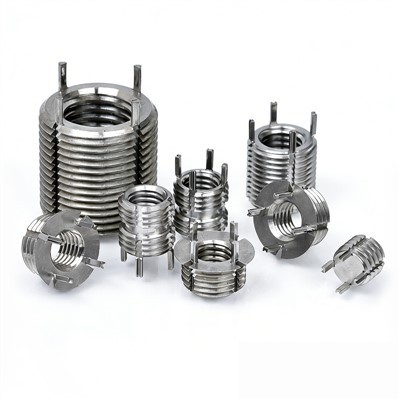
What are Self-Tapping Inserts?
Self-tapping inserts are threaded inserts designed to create a strong and reliable thread in a variety of materials, including wood, plastic, and metal. Unlike traditional inserts that require pre-drilling and tapping, self-tapping inserts can be installed directly into the material using a simple tool, such as a screwdriver or a drill. This makes them a convenient and cost-effective solution for DIY projects, as they eliminate the need for specialized equipment and skills.
Benefits of Self-Tapping Inserts for DIY Projects
1. Ease of Installation
One of the primary advantages of self-tapping inserts is their ease of installation. As mentioned earlier, they can be installed directly into the material without the need for pre-drilling and tapping. This makes them ideal for DIYers who may not have access to specialized tools or who are new to working with threaded inserts. With just a few simple steps, you can install self-tapping inserts and create a strong and reliable thread in your project.
2. Versatility
Self-tapping inserts are available in a wide range of sizes, shapes, and materials, making them suitable for a variety of DIY projects. Whether you’re working on a small woodworking project or a large metal fabrication project, there’s a self-tapping insert that’s right for you. They can be used to create threads in materials such as wood, plastic, metal, and composite materials, providing a versatile solution for your DIY needs.
3. Strength and Durability
Self-tapping inserts are designed to provide a strong and reliable thread that can withstand the rigors of everyday use. They are made from high-quality materials, such as stainless steel, brass, and aluminum, which are resistant to corrosion and wear. This makes them ideal for use in outdoor projects or in environments where the insert may be exposed to moisture or other harsh conditions.
4. Cost-Effective
Self-tapping inserts are a cost-effective solution for DIY projects. They are typically less expensive than traditional inserts, as they eliminate the need for pre-drilling and tapping. Additionally, they can be installed quickly and easily, reducing the amount of time and labor required for your project. This makes them a great option for DIYers who are on a budget.
Applications of Self-Tapping Inserts in DIY Projects
1. Woodworking
Self-tapping inserts are commonly used in woodworking projects, such as furniture making, cabinetry, and woodworking joints. They can be used to create threads in wood, providing a strong and reliable connection between two pieces of wood. This makes them ideal for use in projects where the joint needs to be strong and durable, such as in the construction of a bookshelf or a table.
2. Plastic Fabrication
Self-tapping inserts are also suitable for use in plastic fabrication projects, such as the construction of plastic enclosures, boxes, and panels. They can be used to create threads in plastic, providing a strong and reliable connection between two pieces of plastic. This makes them ideal for use in projects where the joint needs to be strong and watertight, such as in the construction of a plastic aquarium or a plastic storage container.
3. Metalworking
Self-tapping inserts can be used in metalworking projects, such as the construction of metal frames, brackets, and enclosures. They can be used to create threads in metal, providing a strong and reliable connection between two pieces of metal. This makes them ideal for use in projects where the joint needs to be strong and durable, such as in the construction of a metal shed or a metal fence.
4. Automotive and Marine Applications
Self-tapping inserts are also commonly used in automotive and marine applications, such as the installation of accessories, components, and fixtures. They can be used to create threads in metal, plastic, and composite materials, providing a strong and reliable connection between two pieces of material. This makes them ideal for use in projects where the joint needs to be strong and resistant to vibration and shock, such as in the installation of a car stereo or a boat engine.
Potential Challenges of Using Self-Tapping Inserts in DIY Projects
1. Material Compatibility
One of the potential challenges of using self-tapping inserts is ensuring that they are compatible with the material you are working with. Different materials have different properties, such as hardness, density, and porosity, which can affect the performance of the self-tapping insert. It’s important to choose the right type of self-tapping insert for your material to ensure a strong and reliable connection.
2. Installation Torque
Another potential challenge of using self-tapping inserts is ensuring that they are installed with the correct torque. Over-tightening the insert can cause it to strip the thread or damage the material, while under-tightening the insert can result in a loose connection. It’s important to follow the manufacturer’s instructions and use a torque wrench to ensure that the insert is installed with the correct torque.
3. Thread Size and Pitch
It’s also important to ensure that the self-tapping insert you choose has the correct thread size and pitch for your project. Using the wrong thread size or pitch can result in a loose connection or a stripped thread. It’s important to measure the existing thread or consult the manufacturer’s specifications to ensure that you choose the right self-tapping insert for your project.
Conclusion

In conclusion, self-tapping inserts are a versatile and cost-effective solution for DIY projects. They offer a number of benefits, including ease of installation, versatility, strength, and durability. They can be used in a variety of applications, including woodworking, plastic fabrication, metalworking, and automotive and marine applications. However, it’s important to be aware of the potential challenges of using self-tapping inserts, such as material compatibility, installation torque, and thread size and pitch. By choosing the right self-tapping insert for your project and following the manufacturer’s instructions, you can ensure a strong and reliable connection that will last for years to come.
Key Locking Inserts If you’re interested in using self-tapping inserts in your DIY projects, I encourage you to contact me to discuss your specific needs. As a supplier of self-tapping inserts, I can provide you with the information and support you need to choose the right product for your project. I look forward to hearing from you and helping you achieve your DIY goals.
References
- "Self-Tapping Inserts: A Guide to Choosing the Right Product." Fastener Technology International, 2023.
- "How to Install Self-Tapping Inserts." DIY Network, 2023.
- "The Benefits of Using Self-Tapping Inserts in DIY Projects." Home Improvement Today, 2023.
Locking Inserts Technologies Co., Ltd.
As one of the most professional self-tapping inserts manufacturers and suppliers in China, we’re featured by quality products and good service. Please rest assured to wholesale bulk self-tapping inserts in stock here from our factory. Also, custom service is available.
Address: 205, 2/F, Bldg. A8, Zhizaogu Ind. Park, No.26 Xingye 5th Rd, Bao’an Dist., Shenzhen, Guangdong, P.R.China
E-mail: sales@lockinginserts.com
WebSite: https://www.lockinginserts.com/
