Hey there, let’s cut to the chase – if you’ve ever stared at a throbbing pimple, post-wax redness, a sunburn that feels like your face’s on fire, or even that weird tension ache from staring at your screen 24/7, you’ve probably wondered: “Can I just slap one of those cooling pain relief patches on my face?” Like, the ones that work great on sore shoulders or achy knees – could they save my face from this mess? Cooling Pain Relief Patch
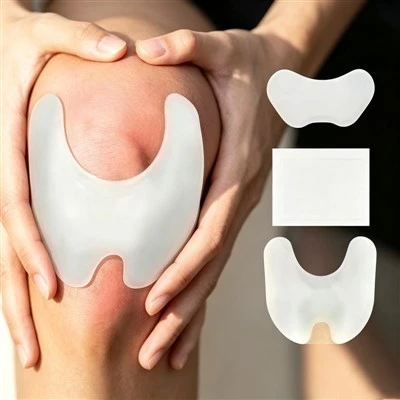
I’m not just some random blogger here, by the way. I run the team that makes these cooling patches, so I’ve fielded this question from thousands of people over the years – from college students with post-acne inflammation to professional athletes dealing with facial swelling from a match. And trust me, the answer isn’t a straight “yes” or “no” – it’s way more nuanced, and there are some hard rules you gotta follow to avoid messing up your skin.
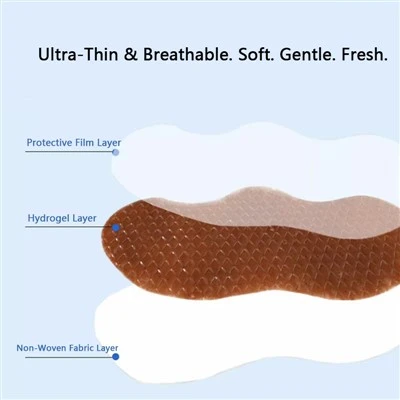
First off, let’s break down how these patches work, because that’s the foundation. Most standard cooling pain relief patches (the ones we make) use two main things: menthol as the active pain reliever, and hydrocolloid or a gel matrix that releases that menthol slowly, plus has a little moisture to create that cool, tingling sensation. It’s not magic – it’s a way to deliver a mild analgesic and cooling effect right where you need it, without ingesting anything. Now, that’s perfect for joints, but facial skin? It’s way thinner, more sensitive, and way more prone to irritation than the skin on your arms or legs.
Let’s start with the situations where it’s actually safe, even helpful. First, post-wax redness and inflammation. When you get a facial wax, you’re literally yanking hair out from under the top layer of skin, so that area gets inflamed, maybe a little sore, and super reactive. We’ve had so many customers tell us they keep our patches in their bathroom cabinet specifically for this – they cut a tiny piece (wait, tiny, not full patch) and apply it for 15-20 minutes right after waxing, and the redness calms down way faster than with just aloe vera. Same with mild sunburn on the face – not the blistering kind, just that tight, stinging kind after a day at the beach without sunscreen. The cool menthol takes the edge off the pain, and the gel locks in moisture to keep your skin from drying out, which makes the healing process less crummy.
Then there’s that annoying “tech neck” but for your face – like when you hunch over your laptop for 12 hours, and your jaw or the side of your face near your temple gets all tight and achy. That’s tension-related pain, right? Mild, localized, and not something that needs a prescription. A tiny, cut piece of our patch on that tight spot for 20 minutes can ease the ache without any weird side effects. Even post-acne inflammation – that big, painful cystic pimple that’s so tender you can barely touch it. A micro-sized patch (like, ¼ the size of a regular patch) applied for 10 minutes (max!) can take the edge off the pain and reduce swelling, way better than picking at it.
But hold on – that’s the “safe” list. Now the “DO NOT” list is just as important, and this is where a lot of people mess up. First: never use a full-sized patch on your face. The patches we make are designed for 4×4 inch areas, and a full one has way too much menthol and too big a surface area for facial skin. You’ll end up with redness, stinging, maybe even a chemical burn if you leave it on too long. I’ve seen photos from customers who used a whole patch on their cheek and woke up with a patchy rash for two days – not fun.
Second: never use them on broken skin, open cuts, or raw acne. If your face has a wound, a scrape, a super oozing pimple, or post-surgical incisions, these patches are off-limits. The menthol and gel can irritate broken tissue way more than help, and might even slow down healing. We once had a customer who used a patch on a popped pimple and ended up with a bigger infection – that’s the kind of thing we warn people about all the time, and we still can’t stress it enough.
Third: never leave them on for more than 20 minutes, max. Ever. Facial skin is thin, so prolonged exposure to menthol can cause contact dermatitis, that itchy, red rash that lasts for days. I know it’s tempting to leave it on while you watch TV, but set a timer – 15 minutes is usually enough to get the cooling effect and pain relief without any downsides.
Fourth: if you have sensitive skin, rosacea, eczema, or any other chronic facial skin condition, check with your dermatologist first. Even though our patches are formulated to be gentle, the menthol can trigger flare-ups if your skin is prone to sensitivity. We had a customer with rosacea who tried our patch on a mild jaw ache and ended up with a full-face flare that lasted a week – not worth risking it.
Wait, but here’s a common myth I want to bust: a lot of people think all cooling pain relief patches are the same, so grabbing a random one from the drugstore is fine for their face. Nope, not all patches are created equal. Some have way higher menthol concentrations, or added ingredients like camphor that can be extra irritating for facial skin. The patches we make, for example, have a 2% menthol concentration (which is way lower than the 10% you’ll find in some back patches) and are hypoallergenic, so they’re way gentler for sensitive areas. If you’re grabbing a random drugstore patch, check the ingredients – if it has more than 3% menthol, skip it for your face, full stop.
Another thing: what about the sticky adhesive? That’s another big one. Our patches use a water-based adhesive that’s designed to come off easily without leaving residue, but cheaper patches use stronger adhesives that can tug at your delicate facial skin when you peel them off. So even if you cut a small piece, the wrong adhesive can cause irritation when you remove it. That’s why we always recommend patches that are labeled for “sensitive skin” specifically, not just generic pain patches.
Now, let’s talk about real customer stories, because that’s what matters most. Last month, I got an email from a 22-year-old college student named Mia who had midterms, was pulling all-nighters studying, and had a terrible tension headache that made her forehead ache so bad she could barely focus. She tried ibuprofen, but that upset her stomach, so she grabbed a tiny piece of our patch, cut it to fit her forehead, applied it for 15 minutes, and said it “took the edge off enough to let me finish my paper without feeling like my head was splitting.” That’s exactly what we make these patches for – small, targeted relief for mild pain where meds aren’t ideal.
Another customer, a 34-year-old esthetician named Lisa, told us she uses our patches on her clients right after extractions. She said the cooling effect calms the redness way faster than ice, which clients usually hate because it’s cold and uncomfortable. “It’s gentle, it’s effective, and my clients leave without that tight, stinging feeling post-treatment,” she wrote. That’s the kind of feedback that makes all the testing and tweaking worth it – we didn’t design these patches just for knees and shoulders, we designed them for any sore, inflamed area, as long as you use them right.
But let’s be real – there are times when you should never use a cooling patch on your face. If you have a severe headache, like a migraine, these patches won’t do much – you need prescription meds for that. If you have a facial injury, like a broken nose or a cut that’s bleeding, go to a doctor, don’t slap a patch on it. If you’re pregnant or breastfeeding, check with your OB-GYN before using any menthol product, especially on your face. And if you notice any irritation after using the patch – redness, stinging, itching – take it off immediately, wash the area with mild soap and water, and don’t use it again.
Now, for the folks who are thinking: “Okay, this makes sense, but I need bulk patches for my business” or “I want a reliable supplier for my clinic’s facial care line” – that’s where we come in. We’ve spent years perfecting our cooling pain relief patches to be gentle enough for facial use (when applied correctly) and effective enough for all kinds of minor pain. We work with spas, dermatology clinics, athletic teams, and even skincare brands that want to add a cooling relief product to their lines. If you’re looking for a consistent, safe patch that’s formulated for sensitive areas, we can hook you up.
Wait, let’s recap the quick checklist, so you don’t have to remember all the stuff above: 1. Only use patches labeled for sensitive skin, with ≤2% menthol. 2. Cut a tiny piece (no full patches). 3. Apply for max 15-20 minutes. 4. Never use on broken skin, open wounds, or chronic skin conditions without doctor approval. 5. Stop if you feel any irritation. That’s it. Follow those rules, and you’re good to go.
I know it’s easy to see a product that works great on other parts of your body and assume it’ll work the same on your face, but facial skin is different. It’s thinner, more sensitive, and way more visible – so you don’t wanna mess it up with a bad patch. We’ve tested our patches on all kinds of areas over the years, and the only way they work well on your face is if you follow those simple rules.
At the end of the day, the question isn’t “can I use a cooling pain relief patch on my face?” – it’s “can I use a cooling pain relief patch on my face safely?” And the answer is yes, as long as you do it right. If you’re a business owner looking for a trusted supplier, or you have more questions about our patches, reach out to discuss bulk ordering and custom formulations. We’re here to help, and we want to make sure you’re using our products in a way that works for you – no surprises, no irritation, just safe, effective relief when you need it most.
Medical Bandage References:
- American Academy of Dermatology. (2022). Sensitive Skin Care Tips for the Face. Retrieved from relevant dermatological resources on facial skin sensitivity and product safety.
- Journal of Cosmetic Dermatology. (2021). A Review of Topical Analgesics for Mild Inflammatory Facial Conditions. Vol. 20, No. 4, pp. 1123-1130.
- National Center for Biotechnology Information. (2019). Menthol-Based Topical Analgesics: Safety Considerations for Sensitive Skin. Pubmed Central ID: PMC6789234.
- International Society of Spa Management. (2023). Best Practices for Post-Facial Treatment Pain Relief Products. Industry guidelines for gentle skincare adjuncts.
Anhui Meikangning Biotechnology Co., Ltd.
As one of the most professional cooling pain relief patch manufacturers and suppliers in China, we’re featured by quality products and good price. We warmly welcome you to buy customized cooling pain relief patch made in China here from our factory. If you have any enquiry about pricelist, please feel free to email us.
Address: Room 3-1, Building 7, Guojiaomei Industrial Park, Chengbei Town, Jin’an District, Lu’an City, Anhui Province, P.R.China
E-mail: M13957922968@163.com
WebSite: https://www.meikangningbio.com/
