Hey there! I’m running a full trailer supply business, and I often get asked how we make those awesome full trailers in terms of video editing. Well, let me break it down for you in a way that’s easy to understand. Full Trailer

1. Planning and Conceptualization
Before we even touch the editing software, we spend a good amount of time on planning. This is like laying the foundation for a building. We get together with the client to figure out what they want to achieve with the trailer. Is it to promote a new movie, a product launch, or an event?
We discuss the target audience. For example, if it’s a family – friendly movie trailer, the tone and content will be very different from a trailer for a horror flick. We also talk about the key messages. What are the main selling points that we need to highlight? Maybe it’s a famous actor’s performance, a groundbreaking special effect, or a unique product feature.
Once we have a clear idea, we create a storyboard. It’s basically a series of sketches that show what each shot in the trailer will look like. This helps us visualize the flow of the trailer and make sure everything makes sense. It’s like a roadmap that guides us through the editing process.
2. Gathering Footage
After the planning is done, it’s time to collect the footage. As a full trailer supplier, we work with different sources. If it’s a movie trailer, we’ll get the raw clips from the film production company. Sometimes, we might also have to shoot some additional B – roll footage. B – roll is extra footage that can be used to fill in gaps, add context, or create a more dynamic visual experience.
We check the footage for quality. We look at things like resolution, color balance, and audio quality. If there are any issues, we either try to fix them during the shooting or let the client know if they need to reshoot certain parts.
3. Importing and Organizing Footage
Once we have all the footage, we import it into the video editing software. We use top – notch software that can handle large files and has a wide range of editing features. After importing, we organize the footage into different folders. We might have folders for different scenes, different types of shots (like close – ups, wide shots), and different audio files.
This organization is crucial because it makes it easier for us to find the exact footage we need when we’re editing. We don’t want to waste time searching through a sea of clips.
4. Cutting and Selecting Shots
Now comes the real fun part – cutting and selecting the shots. We go through all the footage and pick the best takes. We look for shots that are visually appealing, tell the story effectively, and match the mood and tone of the trailer.
We use the editing software’s cutting tools to trim the beginning and end of each shot. We want to get rid of any unnecessary parts, like a long pause at the start of a scene or a shot that goes on too long after the action is over.
We also think about the pacing of the trailer. For a high – energy trailer, we might use shorter, faster – paced shots. For a more emotional trailer, we might use longer shots to let the audience soak in the atmosphere.
5. Adding Transitions
Transitions are like the glue that holds the trailer together. They make the change from one shot to another smooth and visually interesting. There are different types of transitions, like fades, dissolves, and wipes.
We choose the transitions based on the style of the trailer. For a modern and sleek trailer, we might use simple fades. For a more dramatic trailer, we might use a wipe effect to create a sense of grandeur.
But we don’t go overboard with the transitions. Too many flashy transitions can be distracting and take away from the content of the trailer.
6. Audio Editing
Audio is just as important as video in a trailer. We start by cleaning up the audio. We use noise reduction tools to get rid of any background noise, like the hum of a camera or the sound of traffic in a location shot.
We add music to set the mood. The music needs to match the tone of the trailer. For an action – packed trailer, we might use high – energy rock music. For a romantic trailer, we’ll choose a soft and gentle melody.
We also add sound effects. These can enhance the impact of the visuals. For example, if there’s an explosion in the trailer, we’ll add a realistic explosion sound effect. We make sure that the audio levels are balanced so that the music, dialogue, and sound effects all work together harmoniously.
7. Color Grading
Color grading is what gives the trailer its visual style. It can make a trailer look more cinematic, more vibrant, or more moody. We use color grading tools in the editing software to adjust the colors, contrast, and saturation of the footage.
We can make a sunny scene look even more bright and cheerful, or we can turn a normal – looking cityscape into a dark and gritty urban environment. Color grading is a very creative process, and we work closely with the client to make sure the final look matches their vision.
8. Adding Text and Graphics
Text and graphics are used to convey important information in the trailer. We might add the title of the movie or the name of the product, along with some taglines. The text needs to be easy to read and visually appealing.
We use different fonts and styles to match the tone of the trailer. For a kids’ movie trailer, we might use a fun and colorful font. For a corporate product trailer, we might use a more formal and professional font.
We also add graphics, like logos or icons. These can help brand the trailer and make it more recognizable.
9. Review and Revision
Once we have a rough cut of the trailer, we send it to the client for review. They might have some feedback, like adding more emphasis on a certain point, changing the order of the shots, or adjusting the color grading.
We take their feedback seriously and make the necessary revisions. This process might go back and forth a few times until we’re both happy with the final result.
10. Exporting and Delivery
After all the revisions are done, it’s time to export the trailer. We export it in the right format and resolution, depending on where it will be used. If it’s for online sharing, we’ll make sure it’s a format that’s compatible with popular platforms like YouTube and Facebook.
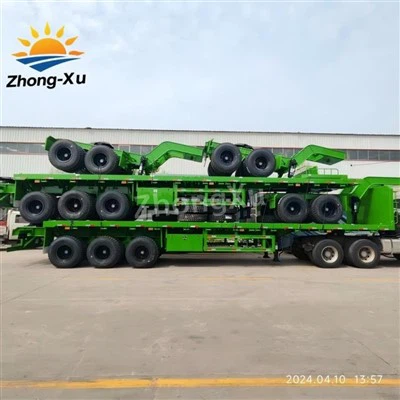
We then deliver the trailer to the client. We might send it via email if it’s a small file, or use a file – sharing service if it’s a large file.
Side Curtain Trailer And that’s how we make full trailers in terms of video editing! If you’re in the market for a high – quality full trailer for your movie, product, or event, don’t hesitate to reach out to us. We’d love to chat with you about your project and figure out how we can bring your vision to life. Whether you have a detailed plan or just a vague idea, we’re here to help. Get in touch with us to start the conversation about your full trailer needs.
References
- "Video Editing for Beginners" by Some Great Author
- "The Art of Trailer Making" written by Another Skilled Pro
- Various industry blogs and forums where video editors share their tips and experiences
Liangshan Zhongxu Automobile Trading Co., Ltd.
As one of the leading full trailer manufacturers and suppliers in China, we provide high quality modern transport vehicle with competitive price. Welcome to buy high-grade full trailer for sale here from our factory. If you have any enquiry about quotation, please feel free to email us.
Address: Feichi Automobile Industrial Park, No. 1 Jiangjie Road, Liangshan County, Shandong Province, China.
E-mail: 95340278@qq.com
WebSite: https://www.zhongxu-auto.com/
