What is the cooling process of PET Preform Molds?
As a supplier of PET preform molds, I’ve delved deeply into every aspect of the manufacturing process. The cooling process of PET preform molds is a critical step that significantly influences the quality, production efficiency, and cost – effectiveness of the final PET preforms. In this blog, I’ll share some detailed insights into what exactly the cooling process of PET preform molds is. PET Preform Molds
The Importance of Cooling in PET Preform Molding
Before getting into the specifics of the cooling process, it’s crucial to understand why cooling is so important. PET (Polyethylene Terephthalate) is a thermoplastic polymer that needs to be heated to a high temperature to become malleable enough for molding. Once it’s injected into the mold cavity in its molten state, it must be cooled down rapidly to solidify into the desired preform shape.
A well – controlled cooling process ensures several things. Firstly, it helps to maintain the dimensional accuracy of the preforms. If the cooling is uneven or too slow, the preforms may warp or shrink unevenly, leading to products that don’t meet the required specifications. Secondly, efficient cooling can significantly reduce the cycle time of the molding process, which directly translates into higher production rates. This is crucial for large – scale manufacturing operations where every second counts. Lastly, proper cooling can improve the mechanical properties of the PET preforms, such as their strength and transparency.
The Basic Steps of the Cooling Process
The cooling process of PET preform molds typically consists of three main stages: the initial cooling, the intermediate cooling, and the final cooling.
Initial Cooling
When the molten PET is injected into the mold cavity, the initial cooling stage begins immediately. During this stage, the goal is to rapidly lower the temperature of the outer layer of the PET. This is usually achieved by circulating a coolant, such as water, through channels within the mold. The coolant absorbs the heat from the mold and the molten PET, causing the outer surface of the PET to solidify quickly. This early solidification helps to maintain the shape of the preform and prevent the material from flowing out of the cavity.
The temperature and flow rate of the coolant are carefully controlled during this stage. A lower coolant temperature can lead to faster cooling, but it also increases the risk of thermal stress on the mold and the preform. Therefore, a balance must be struck to ensure efficient cooling without causing any damage.
Intermediate Cooling
After the initial solidification of the outer layer, the intermediate cooling stage focuses on cooling the inner part of the preform. At this point, the heat transfer becomes more complex as the solid outer layer acts as a barrier to heat transfer. To overcome this, the coolant flow rate and temperature may need to be adjusted. Sometimes, additional cooling techniques, such as the use of cooling fins or inserts, can be employed to enhance the heat transfer efficiency.
During the intermediate cooling stage, the preform gradually cools from the outside inwards. The cooling rate needs to be carefully controlled to avoid the formation of internal stresses. If the cooling is too fast, the inner part of the preform may contract more slowly than the outer part, leading to the development of internal stresses that can cause cracking or other defects in the final product.
Final Cooling
The final cooling stage is designed to bring the preform to a temperature where it can be safely ejected from the mold without any deformation. At this point, the preform is almost completely solid, but it still retains some residual heat. The coolant continues to flow through the mold to remove this remaining heat.
Once the preform reaches the appropriate temperature, it is ejected from the mold using an ejection mechanism. The ejected preforms are then typically inspected for quality before being sent for further processing, such as blow – molding to create PET bottles or containers.
Factors Affecting the Cooling Process
Several factors can have a significant impact on the cooling process of PET preform molds.
Mold Design
The design of the mold plays a crucial role in the cooling efficiency. The layout and size of the cooling channels are particularly important. Well – designed cooling channels should ensure uniform coolant flow throughout the mold, which helps to achieve even cooling of the preform. The distance between the cooling channels and the mold cavity also affects the heat transfer rate. A shorter distance generally leads to more efficient cooling, but it also needs to be balanced with the structural integrity of the mold.
Coolant Properties
The properties of the coolant, such as its thermal conductivity, specific heat capacity, and viscosity, can influence the cooling process. Water is a commonly used coolant due to its high thermal conductivity and low cost. However, in some cases, other coolants, such as glycol – water mixtures, may be used to prevent freezing in cold environments. The flow rate and temperature of the coolant are also critical factors. A higher flow rate can increase the heat transfer efficiency, but it also requires more energy to pump the coolant.
PET Material Properties
The properties of the PET material itself, such as its melting point, specific heat capacity, and thermal conductivity, can affect the cooling process. Different grades of PET may have different thermal properties, which means that the cooling parameters need to be adjusted accordingly. For example, a PET material with a higher melting point may require a longer cooling time to solidify completely.
Cooling Technologies and Innovations
In recent years, there have been several advancements in cooling technologies for PET preform molds.
Conformal Cooling
Conformal cooling is a relatively new technology that uses 3D printing to create cooling channels that follow the shape of the mold cavity. This allows for more uniform and efficient cooling compared to traditional straight – drilled cooling channels. The conformal cooling channels can be designed to provide targeted cooling in areas where it’s most needed, such as around the neck or the base of the preform. This technology can significantly reduce the cycle time and improve the quality of the preforms.
Active Cooling Systems
Active cooling systems use sensors and controllers to monitor and adjust the cooling process in real – time. These systems can detect changes in temperature and adjust the coolant flow rate and temperature accordingly. This helps to ensure consistent cooling performance and can compensate for any variations in the molding process, such as changes in the ambient temperature or the properties of the PET material.
Conclusion

The cooling process of PET preform molds is a complex and critical aspect of the PET preform manufacturing process. A well – optimized cooling process can lead to high – quality preforms, increased production efficiency, and reduced costs. As a supplier of PET preform molds, we are constantly researching and implementing the latest cooling technologies to provide our customers with the best possible solutions.
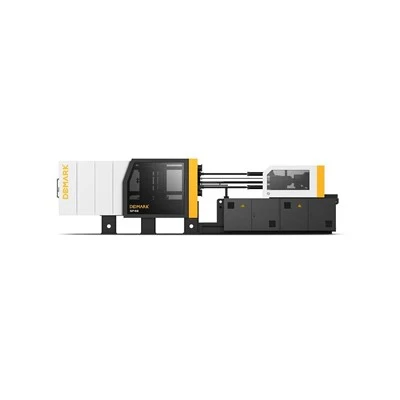
PET Preform Injection Molding Machines If you are in the market for high – quality PET preform molds and are interested in learning more about how our cooling technologies can benefit your production process, we invite you to contact us. Our team of experts is ready to discuss your specific requirements and provide you with customized solutions. Let’s work together to take your PET preform production to the next level.
References
- "Plastic Injection Molding: Principles and Practice" by Rosato, Rosato, and Schott.
- "Handbook of PET Technology" by G. Menges and K. Mohren.
- Industry research reports on PET preform manufacturing and mold cooling technologies.
Demark PET Preform Mould Co., Ltd.
As one of the most professional PET preform molds manufacturers and suppliers in China, we also support customized service. We warmly welcome you to buy premium PET preform molds made in China here from our factory. If you have any enquiry about cooperation, please feel free to email us.
Address: Room 1205, No.1055, West Zhongshan Road, Shanghai, China
E-mail: sales@demark-pet.com
WebSite: https://www.pet-preform-mould.com/
