Hey there! I’m a supplier of White Polyaluminium Chloride, and I often get asked how it stacks up against ferric chloride in water treatment. So, let’s dive right into the nitty – gritty of these two popular water treatment chemicals. White Polyaluminium Chloride

1. Basic Characteristics
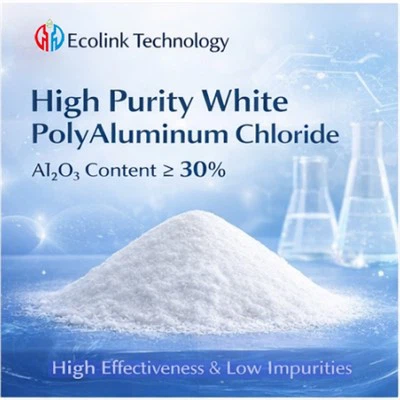
First off, let me give you a quick rundown of what they are. White Polyaluminium Chloride, or WPAC for short, is a high – purity, inorganic polymer coagulant. It’s white or light – yellow in color, and it’s super soluble in water. It’s made by a special process that gives it a high degree of polymerization.
On the other hand, ferric chloride is a brownish – yellow solid or liquid. It’s an inorganic compound, and it’s also very soluble in water. It’s a well – known coagulant and flocculant too.
2. Coagulation Mechanism
When it comes to how they work in water treatment, both WPAC and ferric chloride have similar goals: to get rid of impurities in the water. But they do it in slightly different ways.
WPAC works by neutralizing the electrical charges of suspended particles in the water. You know how some particles in water have these tiny electrical charges that keep them floating around and not clumping together? Well, WPAC comes in and neutralizes those charges. Once the charges are gone, the particles start to stick together, forming larger flocs. These flocs are easier to settle or filter out of the water.
Ferric chloride, however, not only neutralizes the charges of the particles but also forms hydroxide precipitates in the water. When ferric chloride dissolves in water, it reacts with the water to form ferric hydroxide. This ferric hydroxide is like a sticky net that traps the suspended particles in the water, making them form larger flocs.
3. Treatment Effectiveness
Let’s talk about how well they actually clean the water.
Turbidity Removal
WPAC is really good at removing turbidity. Turbidity is basically how cloudy the water looks because of all those tiny suspended particles. In most cases, WPAC can remove turbidity very efficiently, especially in water with low to medium turbidity levels. It can quickly form large, dense flocs that settle out fast, leaving the water clear.
Ferric chloride is also great at turbidity removal. It can handle high – turbidity water better than WPAC in some situations. The ferric hydroxide precipitates it forms can trap a lot of particles, even in water with a high concentration of suspended solids.
Color Removal
When it comes to removing color from water, WPAC is a star. It can effectively remove various organic and inorganic pigments that cause color in water. For example, in treating industrial wastewater that’s colored by dyes, WPAC can do a great job of making the water colorless.
Ferric chloride can also remove color, but it might leave a slight yellowish tint in the water due to its own color. In some applications where a super – clear, colorless water output is required, WPAC might be a better choice.
Microbe and Bacteria Removal
Both WPAC and ferric chloride can help in reducing the number of microbes and bacteria in water. WPAC can adsorb some of these microorganisms onto the flocs it forms, and then they can be removed from the water during the sedimentation or filtration process.
Ferric chloride has a bit of an edge here. The ferric hydroxide it forms can have a certain antibacterial effect, which can further reduce the microbial content in the water.
4. pH Adaptability
The pH of the water being treated is a big deal. Different chemicals work better at different pH levels.
WPAC has a relatively wide pH adaptability range. It can work well in water with a pH ranging from 5 to 9. This means that in most natural water sources and many industrial wastewaters with normal pH values, WPAC can be used without having to adjust the pH too much.
Ferric chloride, however, works best in a slightly acidic pH range, usually between 3.5 and 5.5. If the water’s pH is outside this range, you might need to add acids or alkalis to adjust the pH before using ferric chloride. This extra step can add to the cost and complexity of water treatment.
5. Dosage Requirements
How much of each chemical you need to use is also important. WPAC generally requires a relatively lower dosage compared to ferric chloride to achieve the same treatment effect. This is because WPAC has a high degree of polymerization, which means it can work more efficiently at lower concentrations.
Using less chemical not only saves money but also reduces the amount of sludge generated during the water treatment process. You see, when you use these coagulants, they react with the impurities in the water and form sludge. Less dosage means less sludge, and that’s a win – win.
6. Sludge Characteristics
The sludge produced during water treatment is something to consider. With WPAC, the sludge formed is usually less in volume and has a better dewatering performance. Dewatering is the process of removing water from the sludge so that it can be disposed of more easily. The sludge from WPAC treatment can be dried out faster, which reduces the cost and time associated with sludge disposal.
The sludge from ferric chloride treatment, on the other hand, is often more voluminous. It can be more difficult to dewater, which means you might need to use additional chemicals or more advanced equipment to get the water out of the sludge.
7. Cost – Effectiveness
When it comes to cost, it’s not just about the price of the chemical itself. You also need to consider the dosage, the cost of pH adjustment (if needed), and the cost of sludge disposal.
As I mentioned earlier, WPAC usually requires a lower dosage. And since it doesn’t need much pH adjustment in most cases, you save on the cost of pH – adjusting chemicals. Also, the lower sludge volume and better dewatering performance of WPAC sludge mean lower sludge disposal costs.
Ferric chloride might be cheaper per unit weight in some cases, but when you factor in the higher dosage, the possible need for pH adjustment, and the higher sludge disposal costs, the overall cost of using ferric chloride might end up being higher.
8. Environmental Impact
In today’s world, environmental impact is a huge concern. WPAC is generally considered more environmentally friendly. It contains fewer heavy metals and other harmful substances compared to ferric chloride. When the treated water is discharged back into the environment, WPAC is less likely to cause negative impacts.
Ferric chloride, if not properly managed, can slightly increase the iron content in the treated water. High iron levels in water can have an impact on aquatic life and the overall ecosystem. So, if you’re looking for a more eco – friendly option, WPAC might be your best bet.
Contact for Purchase and洽谈
Cationic Polyacrylamide So, after all this talk, you might be thinking about which one is right for your water treatment needs. Well, if you’re leaning towards White Polyaluminium Chloride, I’d love to have a chat with you. I’ve got a great supply of high – quality WPAC that can meet your water treatment requirements. Whether you’re running a small – scale water treatment plant or a large industrial facility, I can work with you to find the best solution. Just reach out, and we can discuss the details, like the quantity you need, the delivery schedule, and of course, the price. Let’s work together to make your water treatment process more efficient and cost – effective!
References
- Water Treatment Chemicals Handbook, various authors
- Journal of Environmental Science and Technology, multiple issues on water treatment coagulants
- Research papers on comparison of coagulants in water treatment from academic institutions
Shandong Ecolink Technology Co., Ltd.
Shandong Ecolink Technology Co., Ltd. is one of the most reliable white polyaluminium chloride manufacturers and suppliers in China. We warmly welcome you to wholesale bulk high quality white polyaluminium chloride from our factory. If you have any enquiry about cooperation, please feel free to email us.
Address: No. 8, Xiaying Chemical Industry Park, Aobu Road, Xiaying Town, Changyi City, Weifang City, Shandong Province,China
E-mail: sale02@ecolink-environment.com
WebSite: https://www.ecolink-environment.com/
