Hey there! I’m a supplier of bore welders, and I’ve seen my fair share of common problems that can pop up with these machines. In this blog, I’m gonna walk you through how to troubleshoot some of the most frequent issues you might encounter with a bore welder. Bore Welder

1. Welding Arc Instability
One of the first common problems you might face is arc instability during welding. This can be a real headache because it affects the quality of your welds.
Possible Causes
- Dirty Electrodes or Contact Tips: If the electrodes or contact tips are dirty, it can disrupt the electrical flow and cause the arc to be unstable. Over time, spatter and other contaminants can build up on these parts.
- Incorrect Wire Feed Speed: If the wire feed speed is too fast or too slow, it can mess with the arc. A too – fast speed can cause the wire to pile up, while a too – slow speed can make the arc stop and start.
- Gas Flow Issues: If you’re using a gas – shielded welding process, improper gas flow can lead to arc instability. This could be due to a clogged gas line or a malfunctioning gas regulator.
Troubleshooting Steps
- Check and Clean the Electrodes and Contact Tips: Take a good look at the electrodes and contact tips. If they’re dirty, use a wire brush to clean them off. This simple step can often solve the arc instability problem.
- Adjust the Wire Feed Speed: Refer to the manufacturer’s guidelines for the correct wire feed speed based on the type of welding wire and the thickness of the material you’re welding. You can make small adjustments and test the arc until you find the right speed.
- Inspect the Gas System: Check the gas line for any kinks or blockages. Also, make sure the gas regulator is set to the correct pressure. If you suspect a problem with the regulator, it might need to be replaced.
2. Poor Weld Quality
Another issue that can come up is poor weld quality. This includes things like porosity, lack of fusion, or inconsistent bead appearance.
Possible Causes
- Inadequate Cleaning: If the surface of the material you’re welding isn’t clean, it can lead to impurities in the weld, resulting in porosity or other defects. Grease, oil, rust, and dirt can all cause problems.
- Incorrect Welding Parameters: Using the wrong voltage, amperage, or travel speed can greatly affect the quality of the weld. For example, if the voltage is too high, the weld can be too wide and shallow.
- Improper Shielding Gas: As mentioned before, if you’re using a gas – shielded process, using the wrong type or amount of shielding gas can lead to poor weld quality.
Troubleshooting Steps
- Clean the Material: Before you start welding, make sure to clean the surface of the material thoroughly. You can use a wire brush, grinder, or a suitable cleaning solvent to remove any dirt, grease, or rust.
- Adjust the Welding Parameters: Review the welding parameters recommended for the specific material and welding process you’re using. Make small adjustments to the voltage, amperage, and travel speed and test the weld quality until you’re satisfied.
- Verify the Shielding Gas: Double – check that you’re using the correct type of shielding gas for your welding process. Also, ensure that the gas flow rate is appropriate.
3. Wire Feeding Problems
Wire feeding problems are also quite common with bore welders. This can manifest as the wire jamming or not feeding smoothly.
Possible Causes
- Incorrect Wire Spool Installation: If the wire spool isn’t installed correctly, it can cause the wire to tangle or not feed properly.
- Blockages in the Wire Feed Path: Debris or spatter can accumulate in the wire feed path, causing the wire to get stuck.
- Worn – Out Drive Rolls: Over time, the drive rolls that feed the wire can wear out, leading to inconsistent wire feeding.
Troubleshooting Steps
- Re – install the Wire Spool: Make sure the wire spool is installed securely and that the wire is unwinding in the correct direction. Follow the manufacturer’s instructions for proper spool installation.
- Clean the Wire Feed Path: Use compressed air or a suitable cleaning tool to remove any debris or spatter from the wire feed path. Check all the components, including the liner and the guide tubes.
- Replace the Drive Rolls: If the drive rolls are worn out, replace them with new ones. This will help ensure smooth and consistent wire feeding.
4. Equipment Overheating
Overheating can be a serious problem for bore welders, as it can damage the internal components and reduce the lifespan of the machine.
Possible Causes
- Continuous Long – Term Use: If you use the bore welder for long periods without giving it a break, it can overheat.
- Poor Ventilation: If the welder is placed in an area with poor ventilation, the heat generated during operation can’t dissipate properly.
- Faulty Cooling System: If the cooling system, such as the fan or the coolant pump, isn’t working correctly, it can lead to overheating.
Troubleshooting Steps
- Take Breaks: If you’re doing a long – term welding job, make sure to take regular breaks to allow the welder to cool down. This can prevent overheating and extend the life of the machine.
- Improve Ventilation: Ensure that the welder is placed in a well – ventilated area. You can also use additional fans to improve air circulation around the machine.
- Check the Cooling System: Inspect the fan to make sure it’s spinning freely and that there are no blockages. If you have a coolant – based cooling system, check the coolant level and look for any leaks. If there’s a problem with the cooling system, it may need to be repaired or replaced.
5. Electrical Issues
Electrical issues can be a bit more tricky to diagnose, but they’re not uncommon with bore welders.
Possible Causes
- Loose Connections: Over time, the electrical connections inside the welder can become loose, which can cause intermittent power problems or electrical shorts.
- Faulty Circuit Breakers or Fuses: If the circuit breaker trips or the fuse blows frequently, it could indicate an electrical problem in the welder.
- Worn – Out Electrical Components: Components like capacitors or transformers can wear out over time and cause electrical issues.
Troubleshooting Steps
- Check the Electrical Connections: Make sure all the electrical connections, both inside and outside the welder, are tight. If you find any loose connections, tighten them with the appropriate tools.
- Replace Circuit Breakers or Fuses: If the circuit breaker trips or the fuse blows, replace them with the correct rating. If the problem persists, there may be a more serious electrical issue.
- Inspect and Replace Worn – Out Components: If you suspect that an electrical component is worn out, it’s best to have a professional technician inspect and replace it. Opening up the welder and working on electrical components can be dangerous without the proper knowledge and tools.
Conclusion
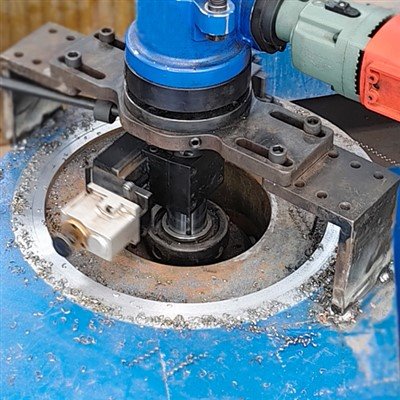
Well, there you have it! These are some of the most common problems you might encounter with a bore welder and how to troubleshoot them. By following these steps, you can save a lot of time and money on repairs and keep your welding projects running smoothly.
Line Boring Accessories If you’re having persistent problems with your bore welder or if you’re in the market for a new one, don’t hesitate to reach out for a chat. We’ve got a wide range of bore welders to meet your needs, and our team of experts is always ready to help you find the right solution. So, drop us a line and let’s start talking about your welding requirements!
References
- Miller Electric Mfg. Co. – Welding Troubleshooting Guides
- Lincoln Electric – Technical Manuals on Bore Welders
- ESAB Welding & Cutting Products – Welding Equipment Troubleshooting Resources
Shangqiu JDA Machinery Technology Co., Ltd.
With abundant experience, we are one of the most professional bore welder manufacturers and suppliers in China. We warmly welcome you to buy cheap bore welder for sale here from our factory. Quality products and reasonable price are available.
Address: No. 55 Pingyuan Middle Road, Liangyuan District, Shangqiu, Henan, China
E-mail: sales@jdamachines.com
WebSite: https://www.jdamachines.com/
