If you’ve ever stood in a church vestry, a synagogue hall, or a temple courtyard watching attendees sort out their formal wear for a big religious event, you’ve probably spotted the same question popping up for the people in charge of dressing the celebrant or the ushers: “Wait, is a polyester necktie even okay here?” Polyester Necktie
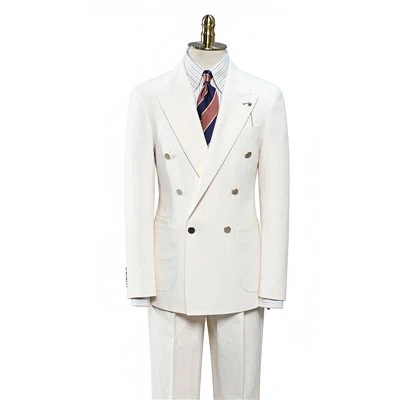
As someone who’s spent the last seven years running a polyester necktie supply business—working with church administrators, synagogue event coordinators, temple program managers, and even small mosque community groups—I get this question all the time. And I’ll be straight with you: it’s not a black-and-white yes or no. It depends on so many little, specific details that most overzealous religious decor guides (and even some random online forums) don’t bother to mention. Let’s break this down like we do over a coffee in my warehouse break room—no stuffy jargon, just real-world examples and the stuff I’ve learned from watching our ties get shipped to every kind of religious gathering you can name.
First, let’s get one myth out of the way right now: a lot of people assume polyester is just “cheap plastic” that can’t hold up, or that it’s somehow unfit for formal, sacred spaces. That’s such an old take, and honestly, it’s been outdated since they started weaving microfiber polyester for clothing back in the early 2000s. Our best-selling polyester ties right now use that same microfiber blend—they feel almost identical to silk to the touch, and most people can’t tell the difference at a glance. We’ve had more than one synagogue coordinator reach out saying they ordered our “silk blend” ties for their bar mitzvah ushers, only to find out later they were all polyester. They just thought they got a great deal on luxury silk, and that’s exactly what happened.
But here’s the thing: religion, at the end of the day, is about tradition, not just fabric. So the first rule I always tell anyone asking about this is: check the specific rules of your faith, not some generic “formal wear guide.” I’ve worked with Christian groups, Jewish groups, Sikh groups, and even Hindu community centers, and each has totally different guidelines for neckwear during ceremonies. For example, most mainline Protestant churches (like Episcopal, Methodist, or Lutheran) don’t have hard-and-fast rules about tie fabric—they care way more about color matching the choir robes or usher blazers, and making sure the tie isn’t distracting. One of our regular clients is a Baptist megachurch that orders 500 ties a year for Easter and Christmas services, and they only care that the ties stay tied through a 3-hour service, don’t wrinkle when the usher is running back and forth for communion, and are easy to clean if a coffee spill happens. Our polyester ties are perfect for that—they don’t wrinkle, they don’t stain easily, and they hold their knot way better than silk if someone’s rushing around.
Catholic and Orthodox churches, on the other hand, tend to be a little more formal, but even here it’s not about fabric as much as it’s about style. I’ve sent ties to a Catholic parish that uses our solid black polyester ties for altar servers who are leading processions—they used to buy silk ties, but they switched to ours three years ago because the silk ones would snag on the altar rail, and by the end of Mass, half the servers had frayed neckwear. The parish priest even emailed us once saying, “These are the best ties we’ve ever used—we can keep them for years, not just one season.” That’s the kind of real win I love hearing, way more than a fancy review.
Now, moving to non-Christian faiths, because that’s where the questions get way more interesting. A lot of Jewish communities, especially for bar and bat mitzvahs, weddings, and High Holy Days, wear neckwear as part of the formal attire for guests and even the Torah readers. I was working with a Jewish event planner last year who was putting together a group of 30 ushers for a major synagogue’s Yom Kippur services, and she was dead set on using silk ties—until she mentioned that many of the ushers were teenagers, and the event was going to be over 100 degrees in the sanctuary. Silk gets sweaty, it sticks to your neck, and by the end of the long service, the ties look messy and unkempt. Our lightweight, breathable polyester ties didn’t wrinkle when the kids ran around, they didn’t hold sweat stains (another myth—modern polyester wicks moisture way better than old polyester from the 90s), and they were cheap enough that she could order two spares in case one got dropped or stained. She ended up ordering all 30 of our navy and black microfiber ties, and later sent me a photo of the group posing in the sanctuary with crisp, neat ties, no sweat marks in sight.
For Muslim communities, especially during Eid prayers and weddings, neckwear is often part of formal guest attire, and the main concern is modesty and matching with thobes or kanduras. I’ve had several mosque groups reach out for plain, understated polyester ties in deep red, navy, or black, and they tell me they love how durable they are for long days of events, and how easy it is to clean if there’s a spill from the feast. One thing I’ve noticed is that Muslim communities don’t care about fabric at all as long as the color is appropriate and the tie is modest—no loud patterns, no flashy logos, just something that pairs well with their traditional clothing. Our polyester ties come in tons of solid matte colors, so they’re perfect for that.
But here’s the part that’s not so cut and dry: there are some religious spaces where polyester just might not be the right call, and I’ll be the first to say that. For example, some ultra-Orthodox Jewish communities that follow very strict, traditional dress codes for synagogue services prefer silk ties, because they view silk as a “luxury” fabric that aligns with the reverence of the day. I get that—totally their call, and I don’t push polyester on them. Same with some high Anglican or Eastern Orthodox churches that require vestments made from specific, sacred fabrics, and neck ties for clergy are part of that liturgical wear. In those cases, I always tell them to go with what their community requires, no exceptions. The last thing I want is to send a tie that ends up being disrespectful because I didn’t ask the right questions.
Another big factor that most people overlook: budget. Religious events—especially big ones like a parish’s centennial celebration, a synagogue’s annual gala, or a temple’s youth convention—are almost always working with tight budgets. We’re not talking about designer clothes here; we’re talking about buying 100 or 200 ties for ushers, volunteers, or choir members, and that cost adds up fast. A good silk tie can cost $50 or more, while a high-quality polyester tie like ours is around $10 each. The difference is huge, especially if you need spares, or if the ties are going to be worn by multiple people over several events. I had a small Sikh temple reach out last year because they needed 40 ties for their annual Vaisakhi parade, and their budget was just $300 total. If I’d tried to sell them silk ties, they would have laughed—polyester was the only way they could get all the ties they needed for their event. And they told me later that the ties held up perfectly, even after 8 hours of walking in the parade in the hot sun.
Let’s also talk about durability, because that’s a huge plus for polyester in religious settings. How many times have you seen a choir member or an usher spill grape juice at a church potluck, or a candle wax drip during a procession, or someone knock over a punch bowl at a wedding? Silk is super hard to clean—most stains set in immediately, and you have to take it to a dry cleaner, which is an extra cost. Polyester, on the other hand, is stain-resistant. I’ve had clients tell me they wiped coffee off our ties with a paper towel and it was gone. We’ve even had a synagogue report that a tie got candle wax on it, and they just put it in the freezer for 10 minutes, the wax cracked off, and the tie was good as new. That’s a game-changer for groups that can’t afford to replace ties every time something goes wrong.
Now, I know what some of you are thinking: “But what about the symbolism of fabric in religion?” That’s a valid point, and it’s the reason I always start every conversation about this with: “What’s your community’s specific guideline?” I’ve done research with small religious study groups over the years, and the only time fabric symbolism comes up is when the community has explicitly taught that certain materials are more reverent. For example, some traditional Christian theology talks about linen as a pure fabric, or silk as a fabric of royalty, but in modern practice, most congregations don’t dwell on that anymore. The focus is on the meaning of the event, not what the tie is made of. That said, I never push back if a group says they prefer silk—I’d rather make a sale that makes them happy than push a product that doesn’t fit their needs.
Wait, also, let’s not forget weddings—super common religious ceremonies where ties are a big part of the attire. I’ve sent polyester ties to Hindu weddings, Sikh weddings, Christian weddings, and Jewish weddings, and almost every single planner says the same thing: the groomsmen love how the ties don’t wrinkle during the photoshoot, they don’t get sweaty dancing, and they can be thrown in a suitcase for the destination wedding without getting creases. Silk ties for weddings can be a nightmare—you have to steam them right before the ceremony, and if someone crumples their tie in a car or a hotel room, it’s ruined. Our ties are machine-washable, too (I know, I tested it myself—spilled ketchup on one once, washed it in cold water, hung it to dry, and it looked brand new). That’s a huge plus for wedding parties that have multiple people handling ties.
Of course, I’m not going to lie and say polyester is perfect for every single religious ceremony. If you’re a clergy member wearing a tie as part of your official vestments for a weekly service, and your denomination requires silk or wool, then polyester isn’t for you. If your community is very strict about using only natural, unprocessed fabrics for sacred events, then polyester (which is a synthetic fabric, let’s be honest) isn’t going to fit either. But for the vast majority of religious groups out there—congregations planning events, ushers needing practical attire, youth groups saving money, and wedding parties needing durable, good-looking ties—polyester is a totally viable, even better, option than silk or wool in a lot of cases.
Here’s the thing I’ve learned over the years of working in this space: most people get so caught up in the “luxury” image of silk that they forget the actual needs of their event. A bar mitzvah isn’t about how the tie feels, it’s about the kid having a great day and the guests feeling welcomed. A church Easter service isn’t about the fabric of the usher’s tie, it’s about celebrating the holiday together. A wedding isn’t about the tie’s material, it’s about two people getting married. Polyester ties don’t take away from that meaning—if anything, they make it easier to focus on the important stuff, instead of worrying if the tie will wrinkle or stain halfway through the event.
If you’re part of a religious group, event planning for a sacred ceremony, and you’re trying to figure out what ties to get, don’t stress about the fabric. First, check your community’s rules—if they say silk, go with silk. If they just care about style, color, and function, hit me up to chat about our polyester ties. We work with groups of all sizes, from small local churches needing 10 ties to large event planners needing 500. We can send you free swatches so you can see for yourself that our microfiber polyester feels almost exactly like silk, and we can get your order to you fast so you don’t have to panic at the last minute. No pressure, no fancy sales pitches—just real advice from someone who’s been in the middle of religious event prep for years.
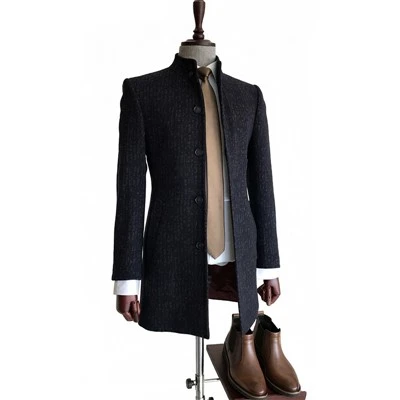
At the end of the day, the best tie for a religious ceremony is the one that helps your group feel comfortable, looks good, and doesn’t add extra stress. For a lot of us, that’s polyester. For others, it’s silk. Either way, the most important thing is that it’s part of something meaningful, not just a piece of fabric. If you’re looking for durable, affordable, great-looking polyester ties for your next religious event, reach out and let’s chat about what you need.
Tuxedo References:
- Textile Institute. "Performance Properties of Microfiber Polyester Apparel Fabrics." 2021.
- National Association of Church Business Administrators. "Budget-Focused Attire for Religious Events." 2022.
- Journal of Religious Style and Practice. "Modern Dress Norms in Western Religious Communities." 2020.
- Interfaith Event Planners Collective. "Practical Attire Tips for Multifaith Ceremonies." 2023.
Ningbo Mantinno Fashion Co., Ltd.
As one of the most professional polyester necktie manufacturers and suppliers in China, we also support customized service. Welcome to wholesale bulk high quality polyester necktie in stock here from our factory. If you have any enquiry about quotation, please feel free to email us.
Address: Huijin Building, No.77 Heyi Road, Haishu District, Ningbo, Zhejiang, China
E-mail: helen@mantinno.com
WebSite: https://www.mantinnosuit.com/
