Hey there, if you’ve ever sifted through cable lugs for your next wiring job, you’ve probably stared at two boxes: one labeled “heavy-duty” and another “light-duty,” wondering what the actual difference is beyond just the price tag. I run a small cable lug supply operation, so I get this question all the time—whether it’s a spark plug dropping by my warehouse or a general contractor shooting me a quick text at 7 PM, asking which one they need. Let’s break this down straight, no corporate jargon, just real talk from someone who’s packed and shipped thousands of these things. Cable Lug
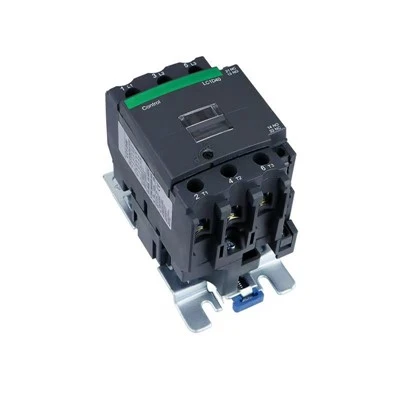
First off, let’s start with basics: what even is a cable lug, anyway? For anyone who’s new to the game, it’s that little metal connector you crimp or bolt to the end of a wire, so you can hook it up to a battery, breaker, or machine. They’re not just random metal rings—they’re engineered to carry current safely, no overheating, no loose connections that cause fires or downtime. Now, the split between heavy and light duty isn’t just marketing fluff (well, most of the time). Let’s get into the actual, measurable stuff that separates them.
Let’s talk current capacity first, because that’s the big one I see folks mix up all the time. Light-duty lugs are built for small, low-amperage jobs—think 12V car accessories, home audio speakers, small RV hookups, or maybe a thermostat wire running to your furnace. I typically don’t sell these for anything over 150 amps, max, and even that’s pushing it a little. Heavy-duty? These are for 200 amps and up—industrial motors, commercial solar arrays, large battery banks (like for a work truck or off-grid system), big air conditioners, or any setup that’s drawing a lot of consistent power. The reason the current limit matters so much is heat: if you cram too much current through a light-duty lug, the metal will heat up fast, melt the solder or crimp, and that’s when you get a loose connection that could start a fire. I had a customer last year who used light-duty lugs for his boat’s battery bank—he kept blowing fuses, until he realized the lug couldn’t handle the 220 amps his trolling motor was pulling. Switched to heavy-duty, no more issues.
Next, the physical stuff—no, not just size, even though that’s obvious. Light-duty lugs are usually made of thinner copper, sometimes even tin-plated copper, but the plating is super thin (like, it’s just there to prevent rust, not add strength). The barrel part (the tube you crimp around the wire) is smaller in diameter and thinner wall. They have smaller bolts too—like 1/4-inch or 5/16-inch bolts, max. Heavy-duty lugs? Thicker copper barrels, often with a tin or silver plating that’s thicker for better conductivity (silver actually cuts down on resistance, which is key for big current). The bolts are bigger—3/8-inch, 1/2-inch, even 5/8-inch for the really beefy ones. I always tell people: if you’re holding a heavy-duty lug in your hand, it feels solid, like it’s not going to bend if you squeeze it too hard. Light-duty feels flimsy, like a soda can that’s been crumpled a little. That’s not just feel—thicker metal means it can handle more torque when you tighten the bolt, which means a better, tighter connection that won’t come loose from vibration (super important for things in vehicles or machinery that shakes a lot).
Wait, let’s not forget about the crimping process, because that’s another point where they differ. Light-duty lugs work with basic crimp tools—even a cheap hand crimp from the hardware store will usually do the job, as long as you get the right size for your wire gauge. Heavy-duty? Those usually need a hydraulic crimp tool, especially for larger wire gauges. If you try to crimp a heavy-duty lug with a tiny hand tool, you won’t get enough pressure to make the metal flow around the wire strands properly, which means the connection is weak. I always give my customers a heads up on this: if you pick up a set of 4/0 heavy-duty lugs, don’t bother with that $20 hand crimp from the big box store—grab a hydraulic one, or pay a spark plug to do it for you. A bad crimp is just as bad as using the wrong lug, in my book.
Now, when would you use which? Let’s walk through real-life scenarios, because that’s what people actually need. Light-duty is for: home audio/video (connecting speakers to a receiver, hooking up a subwoofer to a amp), small automotive accessories (under-hood lights, phone chargers, a tiny winch for a ATV), low-voltage control wires (thermostats, doorbells, security cameras), small RV shore power hookups (like the 30-amp ones for a weekend camper), and battery connections for small electronics (like a 12V lawn mower battery). I see a lot of folks use light-duty for car battery terminals, and honestly, that’s usually fine—most car batteries are around 500 cold cranking amps, which is right in the light-duty sweet spot. But if you’ve got a big diesel truck with a 1000 CCA battery, you need to step up to heavy-duty.
Heavy-duty is for: large battery banks (off-grid solar, work truck dual batteries, RV 50-amp hookups), industrial machinery motors (like a 5HP or larger pump, or a conveyor belt motor), commercial HVAC systems, welding equipment (wait, welding uses super heavy-duty lugs—we sell those by the crate for local welders), big inverter setups, and any application where the power draw is consistent and high. Also, if your wiring is going to be exposed to vibration (like on a heavy equipment trailer), heavy-duty is non-negotiable. The extra metal and tighter bolt mean the connection won’t work loose, which is a huge safety thing—no one wants a loose wire sparking while they’re driving down the highway.
Wait, let’s address a common myth: people think “heavy-duty is just bigger” but that’s not the whole story. I’ve had customers order a “large” lug and then complain it’s heavy-duty when they needed light-duty, so I always ask for the wire gauge first. A 6-gauge light-duty lug is way smaller than a 6-gauge heavy-duty one—same wire size, different metal thickness. That’s why just looking at the size of the ring isn’t enough. Also, some heavy-duty lugs are tinned silver, which is better for corrosive environments—if you’re working near salt water (like boats, coastal wiring), the thicker plating on heavy-duty will hold up way longer than the thin plating on light-duty. I had a marina customer who was replacing light-duty lugs on their dock every year, switched to heavy-duty, and hasn’t had to touch them in three years. That’s a real money saver, right there.
Another thing: cost. Heavy-duty lugs are more expensive, obviously—usually 2-3 times the price of a comparable light-duty. But here’s the thing: cheap lugs that fail will cost you way more in the long run. A light-duty lug on a big inverter might overheat, melt the wire, and cause a fire that ruins thousands of dollars in equipment. I’ve seen that happen, and it’s not pretty. So skipping the extra $5 for a heavy-duty lug is a false economy. I tell all my customers: buy the right one first, not the cheap one that might not work.
Wait, what about overlap? Is there a grey area? Yeah, a little. Like, a 100-amp lug could be either, depending on the brand. That’s why I never just go by the amp rating on the box—if you’re not sure, send me the wire gauge, the application, and the max current you’re drawing, and I’ll tell you which one you need. I’ve had people come in with a 100-amp solar setup, thinking they needed heavy-duty, but their wire is only 8-gauge, which is light-duty. It’s okay to ask questions—there’s no shame in that. I run this operation because I want people to get the right part, not just sell them whatever is most expensive. That’s how you build repeat customers, right?
Also, let’s talk about installation ease, for a second. Light-duty lugs are usually easier to handle, especially for small jobs. You can crimp them on your workbench with a simple tool, no fancy gear needed. Heavy-duty is bulkier, so if you’re working in a tight space (like inside a car’s engine bay), a big heavy lug might not fit. That’s another thing to consider: space. If your lug has to fit in a small terminal block, even if it’s a high-current setup, you might need a compact heavy-duty lug, not the standard beefy one. I keep a range of compact ones in stock for exactly that reason.
Let me wrap this up with a quick checklist, so you don’t have to guess. First, ask yourself: what’s the max current this setup will draw? If it’s over 150 amps, go heavy-duty. Second, what’s the wire gauge? If it’s 4/0 or larger, almost always heavy-duty. Third, where is this going? If it’s near vibration, salt water, or exposed to elements, go heavy-duty. Fourth, do you have the crimp tool? If you’re working with heavy-duty, you’ll need a hydraulic one, so factor that in too.
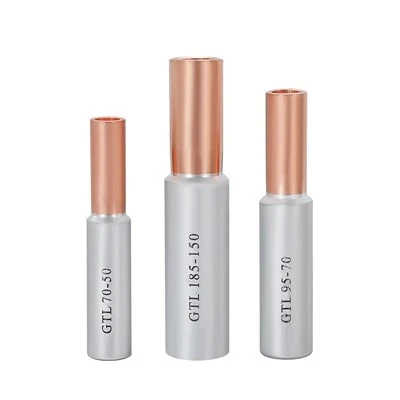
At the end of the day, it all comes down to matching the lug to the job. Using a light-duty lug where you need heavy is a safety risk, using heavy where you don’t is just wasting money. I’ve built this business by helping people get that right, not just moving boxes. If you’re working on a project and you’re stuck—whether it’s a small home audio setup, a boat battery, or a commercial solar array—hit me up. I can help you pick the right lugs, even point you to the right crimp tool if you need it. No pressure, no pushy sales tactics, just real advice from someone who’s been in the game long enough to know what works.
Air Circuit Breakers References:
- Electrical Contractor Magazine. (2022). "Choosing the Correct Cable Lug for High-Current Industrial Applications."
- National Electrical Code (NEC). (2023). Article 110.14(C), Conductor Termination and Torque Requirements.
- Copper Development Association. (2021). "Cable Lug Design and Performance Guidelines for Low-Voltage Wiring."
- Marine Electrical Systems Association (MESA). (2020). Corrosion Resistance Requirements for Marine Cable Termination Components.
- Solar Energy Industries Association (SEIA). (2022). Best Practices for Battery Termination in Residential and Commercial Solar Installations.
Wenzhou Lanen Electrical Co., Ltd.
Wenzhou Lanen Electrical Co., Ltd. is one of the most professional cable lug manufacturers and suppliers in China, also supports customized service with low price. Please feel free to buy CE approved cable lug made in China here from our factory. Contact us for more discount information.
Address: Zhiguang Liushi Town Yueqing City Wenzhou City Zhejiang Province
E-mail: lanen@luyele.cn
WebSite: https://www.lanenelectrical.com/
