Alright, let’s cut to the chase. If you’ve picked up a disposable drink cup lately, you’ve probably stared at it mid-sip and thought—can I just toss this in my backyard compost instead of the landfill? I get it, I’m the guy on the paper cup supply side, so I hear this question nonstop from coffee shop owners, event planners, even random customers at trade shows who just finished a latte and are holding a crumpled cup like it’s a mystery puzzle. For years, the short answer people gave was “no,” but that’s changing fast, and I’m here to break it down like we’re chatting over a post-lunch beer, no stuffy science jargon. Paper Cup
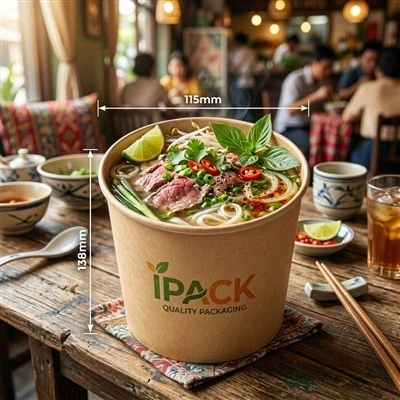
First, let’s level set: not all paper cups are created equal. I’ve been in this game long enough to know suppliers cut corners when they think no one’s watching, and that’s where the confusion starts. For decades, standard paper cups had a thin plastic lining on the inside—you know, that clear, slippery film that keeps the cup from leaking all over your car cupholder. Turns out, that lining is usually low-density polyethylene (LDPE), a type of plastic that’s not recyclable curbside, and super stubborn when it comes to composting. I’ve actually seen a study last year where a regular plastic-lined paper cup took like 20 years to break down in a landfill—way longer than a plastic water bottle, which is wild. People thought paper was earth-friendly, but that lining killed its cred for so long.
But here’s the big news: a lot of us paper cup suppliers (my team included) have moved away from pure LDPE lining now. We switched to what’s called bioplastic lining, specifically polylactic acid (PLA), which is made from plant stuff—usually corn starch or sugarcane, not oil. Wait, but hold up—before you get too excited, PLA isn’t a magic fix. That’s the part most people (and even some other suppliers) get wrong. PLA only composts properly in industrial composting facilities, not your average backyard bin. Let me explain why: industrial composters crank up the heat to like 140–170°F, which is the sweet spot for breaking down PLA in 90 to 180 days. Your backyard pile, on the other hand, usually only hits around 100°F max, because it’s not heated or aerated on a large scale. So tossing a PLA-lined cup in your backyard? It’ll sit there for years, same as the old plastic-lined ones. Total waste of effort.
Now, let’s talk about the other big players on the market, because we’ve got a few options these days. There’s wax-lined paper cups, right? Old-school wax lining. Those actually do break down in home compost, wait—no, not really. The wax is paraffin, a petroleum-based product, so it’s just as bad as LDPE for home compost. It breaks down super slowly, and it can mess with the soil’s pH level. We stopped carrying wax-lined cups about four years ago because customers kept complaining they left a weird waxy residue on their hands, so we figured if no one wanted that, why supply it? Then there’s silicone-coated paper cups—those are newer, right? Silicone is heat-resistant, doesn’t leach, and it actually composts at home way faster than PLA. My team tested a batch of our silicone-lined cups in a home compost bin last year, and they were totally broken down in six months, no weird residue left. That’s a game-changer for people who don’t have access to an industrial composter.
Wait, but let’s address the elephant in the room: contamination. Even if you have the right compostable cup, if you toss it in the curbside bin with a bunch of greasy pizza boxes or leftover food, it can ruin the whole compost batch. Industrial compost facilities are strict about this—they say if a compostable cup has food residue (like leftover coffee, syrup, or milk foam), you’re supposed to rinse it before tossing it. I get that rinsing a used paper cup is a hassle, but think about it: if you just crumple up a latte cup with leftover coffee and toss it in the compost, you’re adding oil and food waste that can make the whole pile go anaerobic, which stinks and slows down decomposition. We actually started printing little “rinse & compost” labels on our cups last year to remind people, because it’s such a simple step that makes a huge difference.
I also need to be honest about the myths floating around. One I hear all the time is “compostable paper cups are 100% zero-waste.” No, they’re not. The manufacturing of paper cups uses way more water and energy than, say, a reusable cup, for starters. Even the best compostable cup takes resources to make, and if you throw it in the trash instead of compost, it’s just another piece of waste in a landfill. I tell all my customers this: the most eco-friendly cup is the one you wash and reuse. But if you need a disposable cup for a party, a quick coffee run, or an event where people might not bring their own, compostable is way better than plastic.
Another myth: “all compostable cups say ‘plant-based’ on them.” Not true. I’ve seen so many off-brand paper cups at gas stations that say “compostable” on the side, but when we tested them, they still had LDPE lining—they just printed the word to sell more. That’s why I always tell people to check for the BPI (Biodegradable Products Institute) certification logo. That logo means the cup has been tested and actually meets compost standards, both industrial and home for some lines. If you don’t see BPI, it’s probably just greenwashing. My team makes sure all our cups carry that logo, because I don’t want to sell something that’s lying to customers about being eco-friendly.
Let’s get into the science a little, keep it real, no textbooks. LDPE (the old plastic lining) is a polymer that’s made of long carbon chains that take forever to break down. PLA is a polymer made from lactic acid, which comes from fermenting plant sugars. Industrial compost has the right microbes, moisture, and heat to break those lactic acid chains down into carbon dioxide, water, and biomass—all stuff that’s good for soil. Backyard compost doesn’t have the high heat, so the microbes there don’t have the right enzymes to break down PLA. Silicone, on the other hand, is a polymer made of silicon and oxygen, and the microbes in backyard compost can handle that easier than PLA, so it breaks down faster. We did a test run last spring where we gave 50 local coffee shops our silicone-lined cups, and 90% of them reported that customers didn’t notice a difference in the cup’s leak resistance, which was a big worry for a lot of them. No one wants a cup that leaks all over their laptop while they’re commuting.
Now, what about curbside compost programs? A lot of cities and towns now offer curbside compost pick-up, but not all of them accept compostable paper cups. You have to check your local program’s rules, man. For example, my hometown here in Chicago accepts PLA-lined cups in their curbside compost, but the suburb next door doesn’t, so you have to bring them to a drop-off center. If you have a backyard composter that reaches the right temp, go for it, but if not, check your local rules—don’t just toss it in the trash or the recycling bin. Wait, also: recycling paper cups? Most curbside recycling programs don’t accept them, because the plastic lining makes it hard to process. I’ve seen recycling facilities throw whole bins of paper cups in the trash because of that lining, so don’t even bother. Composting is way better for them, if done right.
I should also talk about the push for better options in our industry. A lot of us paper cup suppliers are working on new lining tech, right now we’re testing a mushroom-based lining that’s even more sustainable than silicone. The goal is a cup that breaks down in backyard compost in three months, no industrial heat needed, and is just as leak-proof as the old plastic-lined ones. We’re not there yet, but we’re testing, and we’re listening to what our customers want—small coffee shops that want affordable cups for their regulars, event planners that need cups for 10,000 people without the environmental guilt, food trucks that need something light and easy to carry. At the end of the day, we don’t just sell cups—we’re trying to solve a problem, because I hate seeing waste piling up just like anyone else.
Wait, let’s circle back to that original question: can paper cups be composted? The answer is, it depends on the cup and where you compost it. The old LDPE-lined ones? No, not really—they might break down a little in a landfill over decades, but not in a meaningful way. PLA-lined? Yes, only in industrial compost. Silicone-lined? Yes, both industrial and backyard, as long as you rinse it. Wax-lined? Probably not, and it’s not worth the risk of waxy residue in your soil. That’s the real breakdown, no fluff.
I get that this can be confusing. I’m in the business, I deal with this every single day, and even I have to double-check a new cup’s specs before I recommend it to a customer. That’s why we always offer free samples to anyone who wants to test our cups in their own compost, whether they have a backyard bin or use an industrial facility. We’ll even send a little guide on how to test them, so you can see for yourself how long they take to break down.
At the end of the day, if you’re a business owner looking to switch to more eco-friendly cups, or just a regular person trying to make better choices, don’t fall for the greenwashing. Do your research, check for certifications, and remember that composting isn’t a one-size-fits-all solution. The good news is that the options are getting better every year, and more and more places are rolling out better compost programs, so it’s getting easier to do the right thing.
If you’re here because you’re a coffee shop owner, event planner, or small business owner looking for compostable paper cups that actually work (no leaks, no weird residue, legit compostable), hit us up. We can send you free samples, talk through your needs, and help you figure out what’s the best fit for your business and your local compost options. We’re not here to push the most expensive cup—we’re here to push the right cup, for you and the planet. Don’t waste another minute stressing about which cup to choose—reach out, and we’ll help you sort it out.
Ice-cream Cup References:
- Biodegradable Products Institute. (2023). Compostability Standards for Packaging Materials.
- U.S. Environmental Protection Agency. (2022). Municipal Solid Waste Composting Report.
- American Forest & Paper Association. (2023). Life Cycle Assessment of Disposable Paper Cups.
- Compost Manufacturing Alliance. (2022). PLA Composting Performance in Industrial vs. Home Compost Systems.
- Sustainable Packaging Coalition. (2023). Guide to Identifying Legit Compostable Packaging.
Wuhan Xinyongan Industry and Trade Co., Ltd.
Wuhan Xinyongan Industry and Trade Co., Ltd. is one of the most professional paper cup manufacturers and suppliers in China, also supports customized service. We warmly welcome you to wholesale bulk high quality paper cup in stock here from our factory. If you have any enquiry about pricelist, please feel free to email us.
Address: No. 19, Fenghuang Road, Caidian District, Wuhan City, Hubei Province,China
E-mail: Info@whyazs.com
WebSite: https://www.ipackpartner.com/
