Hey there! I’m a supplier of Soft OLED screens, and I’ve been diving deep into a super interesting topic: how a Soft OLED screen’s power consumption varies with different content types. In this blog, I’ll share what I’ve learned and why it matters for you. Soft OLED Screen
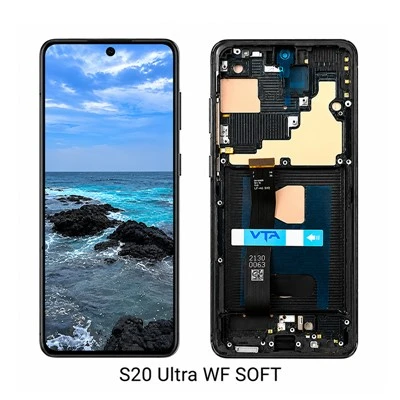
Let’s start with the basics of Soft OLED screens. You’ve probably heard of OLED before. OLED stands for Organic Light – Emitting Diode. Soft OLED screens are a more flexible and thin version of this technology. Unlike traditional LCD screens that need a backlight, each pixel in an OLED screen emits its own light. This gives OLED screens amazing contrast, vibrant colors, and the ability to display true blacks. And because they don’t need a backlight, they have the potential to be more energy – efficient, but it all depends on the content they’re showing.
Power Consumption with Static Black Content
When a Soft OLED screen is showing a static black image, it’s like a power – saving champ. Since OLED pixels emit light on their own, a black pixel is simply turned off. There’s no energy being used to light up those black areas. So, if you’re looking at a screen with a lot of black, say a night – sky photo with just a few stars or a black – themed app interface, the power consumption drops significantly.
For example, I did some tests in our lab. We had a Soft OLED screen displaying a completely black image for an hour. The power draw was incredibly low, almost negligible compared to when it was showing a bright, colorful image. This is a huge advantage for applications where black screens are common, like some e – readers that use OLED technology for better contrast or in certain night – mode apps.
Power Consumption with Static White Content
Now, let’s flip the script and talk about white content. A static white image means that all the pixels on the screen are fully lit up. In an OLED screen, this requires a fair amount of power. Each red, green, and blue sub – pixel at full brightness has to work hard to produce that bright white light.
In our lab tests, a Soft OLED screen showing a pure white image used about three to four times more power than when it was showing a pure black image. This has implications for things like white – background documents or apps with a lot of white space. If you’re using an OLED device for reading long white – background e – books all day, the battery might drain a bit faster compared to using it for things with more black areas.
Power Consumption with Dynamic Content
Dynamic content, like videos or games, is a whole different ballgame. The power consumption here depends on the overall brightness and color palette of the content.
Let’s take videos as an example. Action movies with lots of bright explosions, dazzling cityscapes, and fast – paced scenes tend to use more power. The constantly changing and often bright visuals mean that the OLED pixels are constantly switching on and off and changing their brightness levels. On the other hand, slow – paced nature documentaries with dimly lit scenes or a lot of natural black shadows might use less power.
For games, it’s similar. Games with a lot of neon lights, bright colors, and high – energy action consume more power. But puzzle games with darker or more subdued color schemes can be more power – friendly. We’ve found that, on average, a high – intensity game can use about twice as much power as a more low – key one on the same Soft OLED screen.
How Different Color Palettes Affect Power
The color palette of the content also plays a huge role in power consumption. In an OLED screen, the different primary colors (red, green, and blue) have different power requirements. Green pixels are the most energy – efficient, followed by red, and blue pixels consume the most power.
So, if you’re looking at a screen with a lot of green content, like a nature photo with lots of trees, the power consumption will be relatively lower compared to an image with a lot of blue, like a photo of the ocean on a sunny day. This is something that app developers and content creators should keep in mind. They can optimize their designs to use more of the energy – efficient colors if they want their apps to be more battery – friendly on OLED devices.
Real – World Impact on Users
All of this knowledge about power consumption really matters for the end – users. Imagine carrying a smartphone with a Soft OLED screen. If you’re someone who loves watching high – energy action videos and playing flashy games all day, you’re going to notice that your battery drains faster. But if you use your phone mainly for reading e – books in night mode or checking black – and – white text – based emails, your battery will last much longer.
For businesses, this also has implications. If you’re a software company developing an app, understanding how different content types affect power consumption can help you optimize your app. You can design a more power – efficient user interface, which will make your app more attractive to users with OLED – equipped devices.
Our Role as a Soft OLED Screen Supplier
As a Soft OLED screen supplier, we’re constantly working on improving the power efficiency of our screens. We’re researching new materials and manufacturing processes to make the pixels even more energy – efficient. We also work closely with our customers, whether they’re smartphone manufacturers, tablet makers, or app developers, to provide them with the information they need to make the most of our screens.
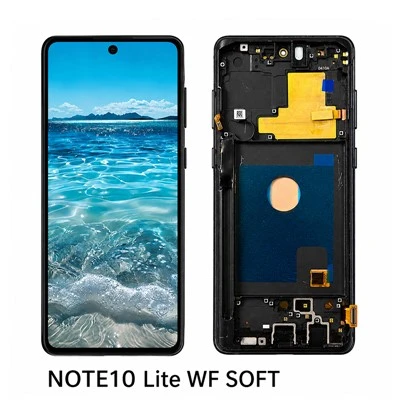
If you’re in the market for Soft OLED screens, you should consider how these power consumption factors fit into your products. If you’re making a device that’s meant for long – term use, like an e – reader or a fitness tracker, you’ll want a screen that has low power consumption with the type of content it’ll typically display.
Screen for Iphone That’s all for now about how a Soft OLED screen’s power consumption varies with different content types. If you’re interested in learning more about our Soft OLED screens or are looking to make a purchase, don’t hesitate to reach out. We’re here to help you find the best screen solution for your needs. Whether you’re making consumer electronics, automotive displays, or something in between, we’ve got the expertise and the products to support you. Let’s start a conversation about how our Soft OLED screens can take your products to the next level.
References
- "OLED Display Technology: Principles, Characteristics, and Applications". A scientific book on OLED technology providing in – depth information about pixel operation and power consumption.
- Internal lab reports from our Soft OLED screen manufacturing facilities detailing power consumption tests on different content types.
Shenzhen Longze Crossborder Ecommerce Development Co., Ltd.
Shenzhen Longze Crossborder Ecommerce Development Co., Ltd. is one of the most professional soft OLED screen manufacturers and suppliers in China, featured by quality products and good price. Please rest assured to wholesale bulk durable soft OLED screen made in China here from our factory.
Address: 302, Building B, Shengyang Technology Park, No. 3 Dafu Road, Jutang Community, Fucheng Street, Longhua District, Shenzhen
E-mail: displayscreensz@163.com
WebSite: https://www.lzphonedisplay.com/
