Yo, what’s up! I’m in the game of supplying HDPE pipes and fittings, and I often get questions about pipe stiffness. So, I thought I’d break it down in a way that’s easy to understand. HDPE Pipes and Fittings
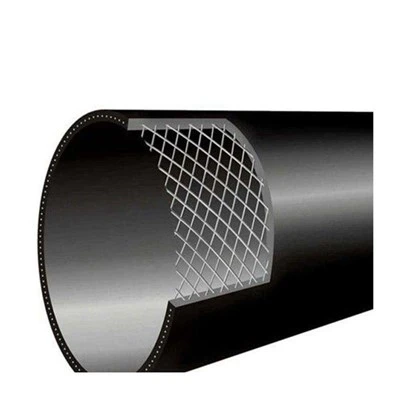
Let’s start with the basics. What on earth is pipe stiffness when it comes to HDPE pipes and fittings? Well, pipe stiffness is basically a measure of how much a pipe can resist deformation under external loads. Think of it like this: when you’ve got a bunch of soil or other heavy stuff pressing down on a pipe buried underground, you want that pipe to hold its shape and not collapse like a soggy noodle. That’s where pipe stiffness comes in.
HDPE, or High – Density Polyethylene, is a thermoplastic polymer that’s known for its durability and flexibility. But when it comes to pipe stiffness, different HDPE pipes can have different levels. The stiffness of HDPE pipes is mainly influenced by a few key factors.
First off, the wall thickness of the pipe matters a whole lot. A thicker – walled HDPE pipe is generally stiffer than a thinner – walled one. It’s like comparing a thick steel rod to a thin wire. The thick rod is gonna be a lot harder to bend. In the case of HDPE pipes, a thicker wall can better withstand the external forces that try to squash or distort the pipe.
The diameter of the pipe also plays a role. Larger – diameter pipes usually need to have a certain level of stiffness to maintain their shape. If you’ve got a big pipe with low stiffness, it’s more likely to deform under the weight of the surrounding soil or other loads. It’s like trying to hold up a big, floppy sheet of fabric. You need some structure to keep it from sagging.
Another factor is the material properties of the HDPE itself. Different grades of HDPE have different molecular structures, and these can affect the pipe’s stiffness. Some HDPE grades are formulated to be more rigid, while others are more flexible. It all depends on the specific application the pipe is designed for.
So, why does pipe stiffness matter? Well, for one thing, it’s crucial for the long – term performance of the pipeline. If a pipe doesn’t have enough stiffness, it can start to deform over time. This deformation can lead to all sorts of problems. For example, it can cause blockages in the pipe, reducing the flow of whatever is being transported through it. It could be water, gas, or some other fluid.
In sewer systems, low – stiffness pipes can collapse, which is a major headache. It can lead to sewage backups, environmental contamination, and costly repairs. On the other hand, pipes with the right amount of stiffness can last for decades, providing a reliable conduit for the transfer of fluids.
In water supply systems, maintaining the shape of the pipe is essential for ensuring a consistent flow rate and pressure. If a pipe deforms, it can disrupt the flow of water, affecting the water supply to homes and businesses. And let’s not forget about gas pipelines. Any leakage or deformation in a gas pipeline can be extremely dangerous, potentially leading to explosions or fires.
How do we measure the pipe stiffness of HDPE pipes? The most common method is the ASTM D2412 Standard Test Method for Determining External Loading Characteristics of Plastic Pipe by Parallel – Plate Loading. In this test, a short section of the pipe is placed between two parallel plates, and a slowly increasing load is applied. The amount of deformation at specific load levels is measured, and from this, the pipe stiffness is calculated.
Now, as an HDPE pipes and fittings supplier, I’ve seen firsthand how important it is to choose the right pipe stiffness for different applications. When we’re working with our customers, we take the time to understand their specific needs. For example, if they’re building a stormwater drainage system, they’ll need pipes that can handle the weight of the soil and the force of the flowing water during heavy rains. So, we recommend pipes with a higher stiffness rating.
On the other hand, if a customer is using the pipes for a low – pressure irrigation system, they might be able to get away with pipes that have a lower stiffness. It all depends on the specific loads and conditions the pipes will be exposed to.
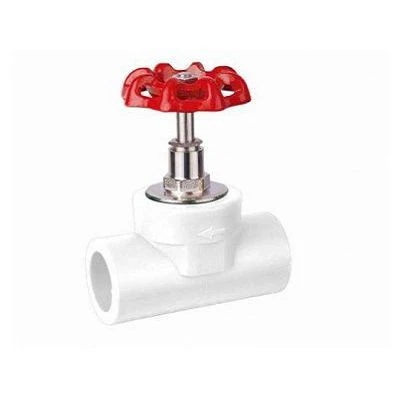
We also offer a wide range of HDPE fittings. Fittings are just as important as the pipes themselves when it comes to the overall performance of the pipeline. They need to be able to connect the pipes securely and also withstand the same external loads. That’s why we make sure that our fittings are made from high – quality HDPE and are designed to match the stiffness of the pipes they’re used with.
One of the great things about HDPE pipes and fittings is their resistance to corrosion. Unlike metal pipes, which can rust over time, HDPE pipes don’t corrode, even when they’re in contact with harsh chemicals or acidic soil. This means that the pipe stiffness remains consistent throughout the life of the pipeline, providing long – term reliability.
Another advantage is the ease of installation. HDPE pipes are lightweight compared to other types of pipes, which makes them easier to handle and install. And because they’re flexible to some extent, they can be bent to fit around obstacles without the need for a large number of fittings. This not only saves time during installation but also reduces the overall cost of the project.
So, if you’re in the market for HDPE pipes and fittings, it’s important to consider the pipe stiffness. Don’t just go for the cheapest option. Think about the long – term performance of your pipeline. Make sure you choose pipes and fittings that are suitable for the specific application. And that’s where we come in.
As an HDPE pipes and fittings supplier, we’ve got the expertise and the products to meet your needs. Whether you’re working on a small – scale residential project or a large – scale industrial one, we can help you find the right HDPE pipes and fittings with the appropriate pipe stiffness.
If you’re interested in learning more about our products or have any questions about pipe stiffness, don’t hesitate to reach out. We’re here to have a chat with you, understand your project requirements, and provide you with the best solutions. So, get in touch, and let’s start a conversation about your next HDPE pipeline project.
HDPE Pipes and Fittings References:
- ASTM D2412 – Standard Test Method for Determining External Loading Characteristics of Plastic Pipe by Parallel – Plate Loading.
- Technical literature on HDPE pipe manufacturing and applications.
- Industry case studies on the performance of HDPE pipes in different environments.
Shanxi Kaisheng Plastic Co., Ltd.
Shanxi Kaisheng Plastic Co., Ltd. is one of the most professional HDPE pipes and fittings manufacturers and suppliers in China, featured by quality products and good price. Welcome to buy durable HDPE pipes and fittings made in China here and get quotation from our factory. We also accept customized orders.
Address: No. 72, Area S, Gate 1, Haohai Wumart, Fendong Street, Xiaodian District, Taiyuan City, Shanxi Province
E-mail: sxkssj8@163.com
WebSite: https://www.sxksgys.com/
