Hey there! I’m a provider of UF cassettes, and today I wanna chat about something that’s super crucial in the world of ultrafiltration: the influence of air bubbles on the performance of UF cassettes. UF Cassettes

Let’s start by understanding what UF cassettes are. These are key components in ultrafiltration systems. They’re used to separate different components in a liquid mixture based on their molecular size. You’ll find them in all sorts of industries, like biotech, food and beverage, and water treatment. They’re pretty amazing at what they do, but they’re not without their challenges, and air bubbles are one of those pesky challenges.
So, how do air bubbles even get into the UF cassettes? Well, there are a few ways. Sometimes during the priming process, if it’s not done right, air can get trapped in the system. Also, changes in pressure can cause dissolved gases in the liquid to come out of solution and form bubbles. And let’s not forget about leaks in the system. A small leak can suck in air, leading to the formation of bubbles inside the cassette.
Now, let’s dig into the impact of these air bubbles on the performance of UF cassettes.
1. Reduced Flux
One of the most noticeable effects is the reduction in flux. Flux is basically the rate at which the liquid passes through the membrane in the UF cassette. When air bubbles are present, they can block the pores in the membrane. It’s like having a bunch of little traffic jams on a highway. The liquid can’t flow as smoothly through the membrane, so the flux drops. This means that the system isn’t working as efficiently as it should. For example, if you’re using a UF cassette to purify water and the flux is reduced, it’ll take longer to purify the same amount of water. And in an industrial setting, time is money.
2. Uneven Flow Distribution
Air bubbles can also mess up the flow distribution inside the cassette. In a well – functioning UF cassette, the liquid should flow evenly across the membrane. But when there are air bubbles, they can disrupt this flow. Some areas of the membrane might get more liquid flow, while others get less. This uneven flow can lead to uneven fouling of the membrane. Areas with less flow are more likely to accumulate contaminants, which can further reduce the performance of the cassette over time.
3. Membrane Damage
Over time, air bubbles can cause damage to the membrane. When a bubble hits the membrane, it can create local high – pressure spots. These high – pressure spots can cause mechanical stress on the membrane. If this happens repeatedly, it can lead to membrane rupture or delamination. A damaged membrane means that the cassette won’t be able to separate the components in the liquid mixture as effectively. It might even let larger molecules pass through that it’s supposed to block, which can be a big problem in applications where purity is crucial, like in the pharmaceutical industry.
4. Increased Energy Consumption
Because the presence of air bubbles reduces the flux and disrupts the flow, the system has to work harder to maintain the desired level of filtration. This means that more energy is required to pump the liquid through the cassette. Increased energy consumption not only raises the operating costs but also has environmental implications. In today’s world, where energy efficiency is a major concern, this is definitely something to take seriously.
So, what can we do to deal with these air bubbles and minimize their impact?
Prevention
First and foremost, proper system design and installation are key. Make sure the priming process is done correctly. This might involve using a degassing unit to remove dissolved gases from the liquid before it enters the cassette. Also, regularly check the system for leaks and fix them immediately. A well – maintained system is less likely to have issues with air bubbles.
Detection and Removal
There are also ways to detect and remove air bubbles once they’re in the system. Some UF systems are equipped with sensors that can detect the presence of air bubbles. Once detected, there are different methods to remove them. For example, you can use a back – flushing technique. This involves reversing the flow of the liquid through the cassette for a short period. The back – flow can dislodge the bubbles and push them out of the system.
As a UF cassette provider, I know how important it is to ensure the optimal performance of these cassettes. That’s why we offer high – quality UF cassettes that are designed to be more resistant to the negative effects of air bubbles. Our cassettes are made with advanced membrane materials and construction techniques that help minimize the impact of air bubbles on flux and flow distribution.
If you’re in the market for UF cassettes, we’re here to help. Whether you’re looking for a cassette for a small – scale laboratory application or a large – scale industrial process, we’ve got you covered. Our team of experts can work with you to understand your specific needs and recommend the best cassette for your system.
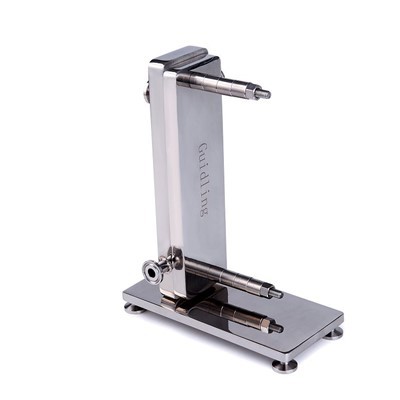
Don’t let air bubbles ruin the performance of your ultrafiltration system. Contact us today to discuss your requirements and see how our UF cassettes can make a difference in your operations. Improving the efficiency and reliability of your ultrafiltration process is just a conversation away.
Formulation References
- Cheryan, M. Ultrafiltration Handbook. Technomic Publishing, 1986.
- Porter, M. C. Handbook of Industrial Membrane Technology. Noyes Publications, 1990.
Hangzhou Guidling Technology Co., Ltd.
As one of the leading uf cassettes manufacturers and suppliers in China, we also support customized service. We warmly welcome you to wholesale high quality uf cassettes in stock here from our factory. For quotation, contact us now.
Address: No.795, 18th Street, Qiantang New District, Hangzhou City, Zhejiang Province, China
E-mail: export1@guidling.net
WebSite: https://www.guidlingfiltration.com/
