Hey there, folks! I’m in the business of supplying trocar sealing caps, and I often get asked this question: “Do trocar sealing caps need to be calibrated?” Today, I wanna dive into this topic and share my thoughts based on my experience in the industry. Trocar Sealing Cap
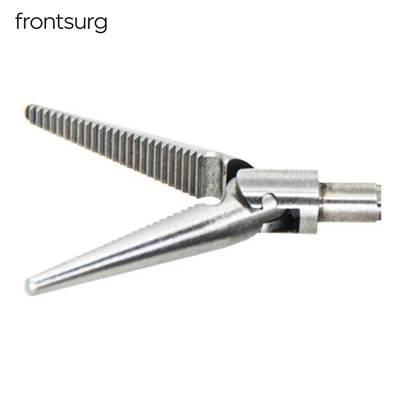
Let’s start by understanding what trocar sealing caps are. For those who aren’t familiar, trocars are used in minimally invasive surgeries. They create a passage through the body wall so that surgical instruments can be inserted into the abdominal or thoracic cavity. The sealing cap is an essential part of the trocar system. Its main job is to maintain pneumoperitoneum (that’s when the abdomen is filled with gas to create space for the surgery) and prevent leakage of that gas and any body fluids. It also allows for the smooth insertion and removal of surgical instruments without losing the pressure inside the body cavity.
Now, onto the big question: calibration. Calibration is basically the process of adjusting and verifying the accuracy of a device. In the medical field, it’s crucial for ensuring that equipment works as intended and provides reliable results. When it comes to medical devices like trocar sealing caps, the stakes are high. A malfunctioning cap could lead to a loss of pneumoperitoneum, which might cause complications during surgery, such as reduced visibility for the surgeon or increased risk of infection.
So, do these caps need calibration? Well, it’s a bit of a mixed bag. On one hand, trocar sealing caps are relatively simple mechanical devices compared to some high – tech medical equipment. They don’t have electronic sensors or complex algorithms that need to be fine – tuned. Their function mainly relies on the physical properties of the materials they’re made of, like the elasticity of the sealing membrane.
Most of the time, the manufacturers of trocar sealing caps conduct rigorous quality control tests during the production process. These tests are designed to ensure that each cap meets certain standards for gas tightness and instrument insertion/removal force. For example, they might measure the amount of pressure the cap can withstand before gas starts to leak, or the force required to insert and remove a standard – sized instrument. If the caps pass these tests, they’re considered to be within the acceptable range of performance.
However, there are some situations where calibration – like checks might be necessary. Over time, the materials in the sealing caps can degrade. Exposure to sterilization processes, especially repeated autoclaving, can cause the rubber or silicone components to harden or lose their elasticity. When this happens, the cap may not seal as effectively as it did when it was new.
Hospitals and surgical centers sometimes perform their own in – house evaluations. These evaluations are not exactly calibration in the traditional sense, but more like periodic checks to make sure the caps are still working properly. They might use simple pressure – measuring devices to assess the gas – sealing ability of the caps. If they find that a particular batch of caps is not performing up to par, they might decide to stop using them and contact the supplier.
As a supplier, I’m constantly in touch with the manufacturers. I know that they’re always looking for ways to improve the durability and performance of the trocar sealing caps. They invest in research and development to find better materials that can withstand multiple sterilization cycles without significant degradation. For instance, some new formulations of silicone are being tested that are more resistant to heat and chemicals used in sterilization.
Another thing to consider is the variability in surgical instruments. Different manufacturers produce instruments with slightly different diameters and shapes. A trocar sealing cap that works well with one type of instrument might not seal as effectively with another. This means that even if a cap has passed all the initial quality control tests, it still might not work perfectly in every surgical setting.
From my perspective, while trocar sealing caps are not typically calibrated in the same way as, say, a blood pressure monitor or a glucose meter, it’s important to have a system in place to ensure their continued performance. This could involve a combination of manufacturer – conducted quality control, in – house hospital checks, and collaboration between the suppliers, manufacturers, and medical facilities.
Let me give you an example. I once had a customer who was experiencing some issues with gas leakage during surgeries. After some investigation, we found that the problem was due to a particular brand of surgical instruments they were using. The instruments had a slightly larger diameter than what the caps were initially tested for. We worked with the manufacturer to develop a new batch of caps with a slightly wider sealing opening. After some further testing, the new caps solved the problem, and the surgeries went smoothly.
So, to sum it up, while trocar sealing caps don’t undergo traditional calibration like some other medical devices, there’s a need for ongoing quality assurance. As a supplier, I take this very seriously. I make sure that the caps I provide are of the highest quality, and I’m always ready to work with my customers to address any issues that might arise.

If you’re in the market for trocar sealing caps, or if you want to discuss the performance and quality of these products, I’d love to hear from you. We’re committed to providing reliable and high – quality trocar sealing caps to the medical community. Whether you’re a small clinic or a large hospital, we’ve got the products to meet your needs. Reach out to us, and let’s start a conversation about how we can work together to ensure the success of your surgeries.
Trocar Sealing Cap References
- Medical Device Quality Control Handbook
- Journal of Minimally Invasive Surgery Research
- Manufacturer’s Technical Documentation on Trocar Sealing Caps
Frontmed (Hangzhou) Trading Co., Ltd.
Frontmed (Hangzhou) Trading Co., Ltd. is one of the most experienced trocar sealing cap manufacturers and suppliers in China, also supports custom service. Please rest assured to wholesale high quality trocar sealing cap made in China here from our factory. Contact us for more details.
Address: Room 406, Building 6, No.1688 Chunjiang East Rd, Tonglu, 311500, Hangzhou
E-mail: alex@frontsurg.com
WebSite: https://www.frontsurg.com/
