Internal circlips, also known as retaining rings, are small but crucial components in various industrial applications. As an experienced supplier of internal circlips, I’m often asked if these components can be used in textile machinery. In this blog post, I’ll explore this question in depth, discussing the functions of internal circlips, the unique requirements of textile machinery, and the potential benefits and challenges of using internal circlips in this context. Internal Circlips

Understanding Internal Circlips
Internal circlips are metal rings that are installed into a groove in a bore to retain components such as bearings, gears, or shafts. They are designed to fit tightly into the groove, providing a secure and reliable method of axial retention. There are two main types of internal circlips: snap rings and spiral rings. Snap rings are the most common type and are typically made from spring steel. They have a gap in the ring, which allows them to be compressed and installed into the groove. Spiral rings, on the other hand, are made from a continuous strip of metal that is wound into a spiral shape. They are often used in applications where a higher level of precision is required.
The primary function of internal circlips is to prevent components from moving axially within a bore. This is important in many industrial applications, as it helps to ensure the proper functioning and reliability of the machinery. Internal circlips are also used to reduce the overall size and weight of the machinery, as they eliminate the need for more complex and bulky retention methods.
Requirements of Textile Machinery
Textile machinery is a complex and highly specialized type of equipment that is used in the production of textiles. It includes a wide range of machines, such as spinning machines, weaving machines, knitting machines, and dyeing machines. Each of these machines has its own unique requirements and operating conditions, but there are some common factors that are important in all textile machinery applications.
One of the key requirements of textile machinery is high precision and accuracy. Textile production processes require precise control of the movement and positioning of the various components in the machine. This is necessary to ensure the quality and consistency of the finished textile products. Any deviation from the required specifications can result in defects or inconsistencies in the fabric, which can have a significant impact on the overall quality and value of the product.
Another important requirement of textile machinery is high speed and efficiency. Textile production is a high-volume industry, and manufacturers are constantly looking for ways to increase productivity and reduce costs. This means that textile machines need to be able to operate at high speeds without sacrificing quality or reliability. The components used in textile machinery, including internal circlips, need to be able to withstand the high speeds and forces involved in the production process.
In addition to precision and speed, textile machinery also needs to be durable and reliable. Textile production is a continuous process, and any downtime can result in significant losses for the manufacturer. The components used in textile machinery need to be able to withstand the harsh operating conditions, such as high temperatures, humidity, and exposure to chemicals and abrasives. They also need to be able to resist wear and fatigue, ensuring a long service life and minimal maintenance requirements.
Benefits of Using Internal Circlips in Textile Machinery
There are several potential benefits of using internal circlips in textile machinery. One of the main advantages is their ability to provide a secure and reliable method of axial retention. By preventing components from moving axially within a bore, internal circlips help to ensure the proper functioning and reliability of the machinery. This is particularly important in textile machinery, where precise control of the movement and positioning of the components is essential for the production of high-quality textiles.
Another benefit of using internal circlips in textile machinery is their compact size and lightweight design. Textile machines are often designed to be as compact and lightweight as possible to maximize productivity and reduce costs. Internal circlips are small and lightweight components that can be easily installed into the machinery without adding significant weight or bulk. This helps to reduce the overall size and weight of the machine, making it more efficient and easier to operate.
Internal circlips also offer a high level of flexibility and versatility. They can be used in a wide range of applications and can be easily customized to meet the specific requirements of the textile machinery. For example, internal circlips can be made from different materials, such as stainless steel or carbon steel, depending on the operating conditions and the requirements of the application. They can also be available in different sizes and shapes to fit the specific dimensions of the bore and the component being retained.
Challenges of Using Internal Circlips in Textile Machinery
While there are many potential benefits of using internal circlips in textile machinery, there are also some challenges that need to be considered. One of the main challenges is the high precision and accuracy required in textile machinery applications. Internal circlips need to be manufactured to very tight tolerances to ensure a proper fit and function. Any deviation from the required specifications can result in problems such as improper installation, component failure, or reduced performance.
Another challenge is the harsh operating conditions in textile machinery. Textile production processes often involve high temperatures, humidity, and exposure to chemicals and abrasives. These conditions can cause corrosion, wear, and fatigue in the internal circlips, reducing their service life and reliability. To overcome these challenges, it is important to select internal circlips that are made from materials that are resistant to corrosion, wear, and fatigue.
In addition, the installation and removal of internal circlips can be a challenging task, especially in tight spaces or in applications where the components are difficult to access. Special tools and techniques may be required to ensure the proper installation and removal of the internal circlips. This can increase the complexity and cost of the maintenance and repair process.
Conclusion
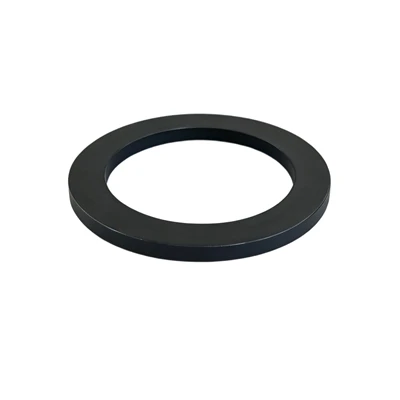
In conclusion, internal circlips can be used in textile machinery, but it is important to carefully consider the specific requirements and operating conditions of the application. While there are many potential benefits of using internal circlips, such as their ability to provide a secure and reliable method of axial retention, their compact size and lightweight design, and their flexibility and versatility, there are also some challenges that need to be addressed. These challenges include the high precision and accuracy required in textile machinery applications, the harsh operating conditions, and the difficulty of installation and removal.
Coiled Spring Pins As a supplier of internal circlips, I have the expertise and experience to help you select the right internal circlips for your textile machinery applications. I offer a wide range of internal circlips that are made from high-quality materials and are designed to meet the specific requirements of the textile industry. If you are interested in learning more about our products or would like to discuss your specific needs, please contact me. I look forward to working with you to find the best solutions for your textile machinery applications.
References
- "Mechanical Engineering Design" by Joseph E. Shigley, Charles R. Mischke, and Richard G. Budynas
- "Textile Machinery Handbook" by A. K. Chatterjee
- "Fasteners and Fixings Handbook" by John H. Bickford
Anhui Pins Metal Products Co., Ltd.
With abundant experience, we are one of the most professional internal circlips manufacturers and suppliers in China. Please rest assured to buy high quality internal circlips made in China here from our factory. For custom service and OEM&ODM service, contact us now.
Address: No. 381 Yangqiao Road, Quanjiao County, Chuzhou City, Anhui Province. Postal Code:239500
E-mail: info@chn-pins.com
WebSite: https://www.chn-pins.com/
