Hey there! I’m a supplier of Ceramic Anilox Rollers, and I’ve seen firsthand how important it is to store these rollers properly. In this blog, I’ll share some tips on how to keep your Ceramic Anilox Rollers in top – notch condition. Ceramic Anilox Roller
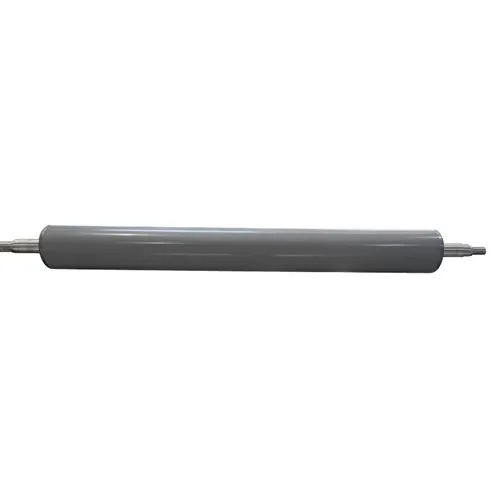
First things first, let’s talk about why proper storage matters. Ceramic Anilox Rollers are precision – engineered tools that play a crucial role in the printing and coating industries. These rollers are designed to transfer a precise amount of ink or coating to the substrate. If they’re not stored correctly, their surface can get damaged, and the cells on the roller can clog or deteriorate. This can result in inconsistent ink transfer, poor print quality, and ultimately, lost time and money.
Choosing the Right Storage Environment
The storage environment is super important. A cool, dry, and clean place is ideal for storing Ceramic Anilox Rollers. High humidity can cause corrosion on the roller’s metal parts if they have any, and moisture can seep into the cells of the ceramic surface, leading to blockages. So, aim for a humidity level between 40% and 60%.
Temperature also plays a big role. Extreme temperatures can cause the ceramic material to expand or contract, which might damage the delicate cell structure. Try to keep the storage temperature between 18°C and 24°C (64°F – 75°F). Avoid storing the rollers near heat sources like radiators or in direct sunlight.
Dirt and dust are the enemies of Ceramic Anilox Rollers. Even a small particle of dust can scratch the surface of the roller when it’s being moved or stored. So, make sure the storage area is well – ventilated but also has proper air filtration to keep out dust. You might want to consider using a storage cabinet or a dedicated room for your rollers.
Pre – storage Preparation
Before you store your Ceramic Anilox Rollers, you need to give them a good cleaning. This is non – negotiable. Use a cleaning solution that’s specifically designed for Ceramic Anilox Rollers. These solutions are formulated to break down ink, coating residues, and other contaminants without damaging the ceramic surface.
Start by rinsing the roller with water to remove any loose particles. Then, apply the cleaning solution and use a soft – bristle brush to gently scrub the surface. Make sure to get into all the cells. After scrubbing, rinse the roller thoroughly with water again to remove all traces of the cleaning solution.
Once the roller is clean, dry it completely. You can use a clean, lint – free cloth to wipe off the excess water, and then let it air – dry in a clean environment. Any remaining moisture can lead to problems during storage.
Storage Positioning
How you position the Ceramic Anilox Roller during storage is also key. It’s best to store the rollers horizontally. This helps to prevent any deformation of the roller due to its own weight. If you store it vertically, there’s a risk that the roller might warp over time, especially if it’s a long – shafted roller.
When placing the roller horizontally, use proper supports. Make sure the supports are soft and won’t scratch the surface of the roller. You can use foam pads or rubber supports. These materials provide a cushioning effect and protect the roller from external shocks.
Protection During Storage
To further protect the Ceramic Anilox Roller during storage, you can use a protective cover. There are special covers available in the market that are made of materials like plastic or fabric. These covers help to keep dust and dirt away from the roller.
If you’re storing multiple rollers, make sure to separate them. You don’t want them to rub against each other, as this can cause scratches. You can use dividers or place individual rollers in separate compartments.
Regular Inspections
Just because you’ve stored your Ceramic Anilox Rollers doesn’t mean you can forget about them. Regular inspections are necessary. Check the rollers at least once every few months. Look for signs of damage, such as scratches, chips, or clogged cells.
If you notice any issues during the inspection, take action immediately. For minor scratches, you might be able to get them fixed by a professional. But if the damage is severe, you might need to consider replacing the roller.
Handling During Retrieval
When you’re ready to use the stored Ceramic Anilox Roller, handle it with care. Make sure your hands are clean to avoid transferring any dirt or oils to the roller. Use proper lifting equipment if the roller is heavy.
Before installing the roller, give it another quick inspection and a light cleaning if necessary. You want to ensure that the roller is in perfect condition before it goes back into action.
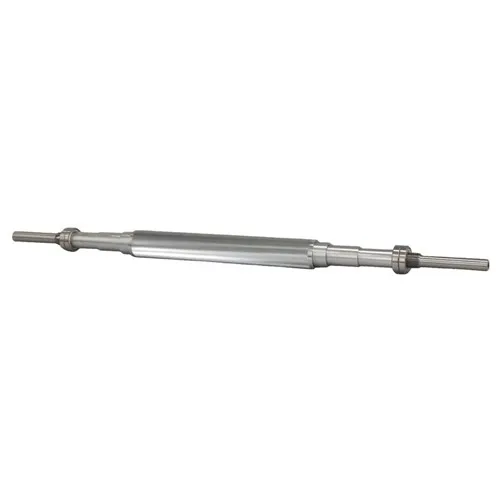
Now, I know that proper storage might seem like a lot of work, but trust me, it’s worth it. By following these steps, you can extend the lifespan of your Ceramic Anilox Rollers, improve the quality of your prints and coatings, and ultimately save money in the long run.
Embossing Roller If you’re in the market for high – quality Ceramic Anilox Rollers or have any questions about their storage or usage, I’d love to chat. Feel free to reach out to me to start a conversation about your specific needs. Whether you’re a small – scale printer or a large – scale manufacturing plant, I’ve got the right solutions for you.
References
- "Ceramic Anilox Rollers: Technology and Applications" by Printing Press Publications
- "Best Practices for Anilox Roller Maintenance and Storage" from the Coating Industry Journal
- "Guide to Precision Printing Equipment" by Industrial Printing Experts Association
Kunshan Hanhan Co., Ltd.
We’re well-known as one of the leading ceramic anilox roller manufacturers and suppliers in China. We warmly welcome you to buy high quality ceramic anilox roller made in China here from our factory. If you have any enquiry about cooperation, please feel free to email us.
Address: No. 1093, B Zone, No. 2 Xugongqiao Rd, Huaqiao Town, Kunshan City, Suzhou, Jiangsu, China
E-mail: info@kshhroller.com
WebSite: https://www.kshh-roller.com/
