If you’re like many LNG fueling station operators I’ve worked with over the past 12 years, the first big hurdle after locking in a favorable site and finalizing design specs is figuring out how to turn that plan into a facility that passes local building, fire, and environmental codes. Early in my career as part of an LNG fueling station supply team, I watched a small project get delayed six months because we skipped a key step in code alignment—we assumed national standards would automatically sync with a small town’s unique fire marshal rules. That mistake taught me that compliance isn’t a checkbox, it’s a process woven into every part of designing, building, and even operating an LNG station. Today, as we work with sites across the U.S. and parts of Canada, I can walk clients through how we build compliance into every component, from skid-mounted dispensers to site perimeter fencing, without adding unnecessary cost or project delays. LNG Fueling Station
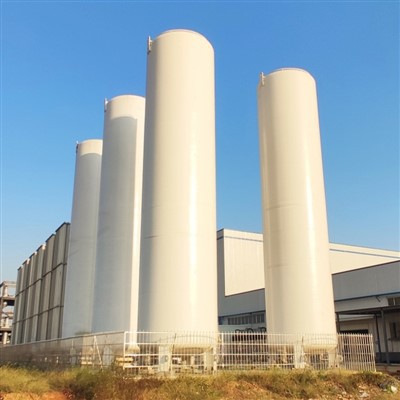
Let’s start with the foundation: LNG is a cryogenic fuel, meaning it’s stored at roughly -260°F, and that unique property triggers a whole set of code rules that don’t apply to gasoline or diesel stations. The first thing my team does for every new project is map local code requirements against recognized national standards. The two biggest ones here are the National Fire Protection Association’s NFPA 59A, which covers the production, storage, and handling of LNG, and NFPA 30A, which governs fueling station design. But here’s the catch—local jurisdictions often amend these national standards to fit their unique risks. For example, a coastal town in Florida might mandate reinforced secondary containment for underground storage tanks to handle flood zones, while a rural county in Wyoming might allow a wider setback from property lines because of lower population density. The worst thing you can do is show up with a design that’s NFPA 59A-compliant only to find out your city’s building department wants extra insulation on underground pipes to prevent frost heave, or stricter fire suppression near the dispenser. That’s why we begin with a code mapping session before we touch anything: we pull the latest zoning ordinances, fire code amendments, and environmental rules for the specific municipality, and build that into the design from day one.
Next, let’s talk about site layout—this is where most code conflicts pop up. Setback requirements are the biggest one for LNG stations. Setbacks are the distance critical components (storage tanks, dispensers, control rooms) need to be from property lines, public roads, and occupied buildings. NFPA 59A offers base setbacks, but local governments almost always adjust them. In urban areas, for example, Los Angeles requires LNG storage tanks to be 50 feet from the nearest property line, while a small town in Ohio might allow that distance to drop to 30 feet because of lower traffic volumes. But here’s how our supply team simplifies this: we design skid-mounted LNG stations, which are pre-assembled and tested in our facility, so we can pre-engineer the layout to meet the most common local setbacks. We also work with third-party code consultants to pre-verify our base designs against national and local standards, so when a client submits plans to their building department, we already have a pre-submittal letter from a licensed engineer confirming compliance with the relevant rules. That cuts down on plan review time by weeks, which is a huge win for project timelines.
Another critical part of site layout that’s often overlooked is segregation between different zones. LNG stations have three main zones: the storage zone (where the cryogenic tanks are located), the dispensing zone (where trucks refuel), and the auxiliary zone (control rooms, maintenance sheds, and employee break areas). Local fire codes dictate how these zones must be separated, usually with barriers like concrete walls, distance, or fire-rated fencing. For example, NFPA 59A requires a 20-foot separation between storage tanks and auxiliary buildings, but some cities like Chicago add a 10-foot fire-resistant wall in between if the auxiliary building is within 30 feet of the tank. Our skid packages come with pre-installed fire-rated barriers and clearly marked zone boundaries, so contractors don’t have to scramble to add custom materials that might not meet code. We also include a site layout drawing that highlights all required separations, so the building department can quickly confirm everything is in order.
Now, the equipment itself—this is where our deep experience as LNG fueling station suppliers really pays off. Every component we provide is tested to meet both national standards and common local code requirements, but we also customize parts to fit specific jurisdictional rules. For example, some local fire codes require LNG tanks to have secondary containment systems, which are designed to catch any leaks if the primary tank fails. Our standard tanks come with double-walled construction, but for sites in areas with high groundwater tables, we add reinforced concrete secondary containment basins that are designed to withstand flooding. For coastal areas, we use corrosion-resistant materials for all underground pipes and valves to meet environmental codes that prohibit leaks from contaminating groundwater. We also make sure all equipment has the required labeling: code-mandated warning signs about cryogenic burns, explosive vapor zones, and emergency shut-off procedures. Our team trains contractors and operators on these labels, too, because even the best equipment is useless if people don’t follow the code requirements posted on site.
Fire protection is another non-negotiable part of LNG station compliance. LNG vapors are heavier than air, so they can pool in low-lying areas like ditches or under buildings, creating a silent explosion risk. Local fire codes require specific fire suppression systems to detect and contain these leaks. NFPA 59A recommends both automatic leak detectors and fire suppression systems like water mist or high-expansion foam. But again, local governments often add their own rules: Houston, for example, requires additional flame detectors near dispenser islands because of heavy truck traffic, while Seattle mandates that leak detectors send an alert directly to the local fire department’s dispatch system, not just the station’s control room. Our skid packages come with customizable fire protection systems that can be adjusted to meet these rules. We also work with local fire departments during the design phase to review our fire plans, so they’re familiar with the site before construction even starts. That avoids delays when the station is ready for final inspection—fire marshals are more likely to pass a facility they’ve already reviewed and signed off on.
Environmental compliance is the final big piece, and it’s one that’s gotten stricter in most areas over the past five years. LNG is non-toxic, but even small leaks can cause frost damage to plants and infrastructure, and excess methane (a potent greenhouse gas) contributes to emissions. Local environmental agencies (like state DEPs in the U.S.) require LNG stations to meet strict leak detection and reporting rules. For example, California’s Air Resources Board (CARB) requires continuous monitoring of LNG equipment for methane leaks, with alarms that trigger automatic shut-off of the storage system if leaks exceed a certain threshold. Our stations come with integrated leak monitoring systems that meet these CARB standards, as well as EPA requirements for underground storage tank testing. We also provide clients with a full environmental compliance manual, which includes regular inspection schedules, leak testing procedures, and reporting templates to help them stay in compliance after the station is built. Many operators forget that compliance isn’t just during construction—it’s an ongoing process, and we make sure our clients have all the tools they need to meet those long-term rules.
I’ve seen too many projects stall because operators tried to cut corners on compliance to save money. One client in northern Michigan tried to use a generic fueling station design for their LNG site, skipping the frost protection for underground pipes. Within a year, shifting temperatures caused the pipes to crack, leading to a leak that shut down operations for two months and cost them $200,000 in fines and lost revenue. That’s why compliance can’t be an afterthought—it needs to be part of every decision, from selecting a site to choosing equipment to training operators. As an LNG fueling station supplier, our job is to take the confusion out of code compliance by building it into every part of our products and services. We don’t just sell skids and tanks; we provide a full package that includes code mapping support, pre-submittal documentation, on-site construction oversight to ensure plans are followed, and ongoing guidance for operational compliance.

If you’re planning an LNG fueling station project and want to avoid the delays and costs that come with code misalignment, I’d encourage you to reach out to our team. We’ve helped dozens of operators in every type of jurisdiction—urban, rural, coastal, mountainous—design facilities that pass their first code inspection and stay compliant for years. Whether you’re a small fleet operator looking for a single station or a large logistics company planning a network of LNG fueling sites, we can tailor our solutions to meet your local building codes without sacrificing safety or performance. Let’s connect to walk through your specific project needs and figure out how we can help you get your station up and running on time, within budget, and fully compliant.
Cryogenic Pressure Vessel References
National Fire Protection Association. NFPA 59A: Standard for the Production, Storage, and Handling of Liquefied Natural Gas (LNG).
National Fire Protection Association. NFPA 30A: Code for Motor Fuel Dispensing Facilities and Repair Garages.
U.S. Environmental Protection Agency. Clean Air Act Requirements for Stationary Fuel Sources, Natural Gas Supply Chains.
California Air Resources Board. Regulation for Control of Emissions from Natural Gas Compression and Storage.
Tianjin Baiyan Technology Co., Ltd.
With abundant experience, we are one of the most professional lng fueling station manufacturers and suppliers in China. We warmly welcome you to buy customized lng fueling station made in China here from our factory. If you have any enquiry about pricelist and quotation, please feel free to email us.
Address: No. 36, Jixian Road, Shuangqiaohe Development Zone, Jinnan District, Tianjin, China
E-mail: sales@tjbaiyan.com
WebSite: https://www.baiyan-tech.com/
