Hey guys, if you’ve ever packed for an international trip and spent 20 minutes staring at a tangle of chargers and wondering why your US phone plug won’t fit the wall, you’re not alone. I’ve been in that exact spot—once I showed up to a backpacking trip in New Zealand with only my American laptop charger and a handful of sad, useless travel adapters I grabbed from a gas station that clearly didn’t know what they were selling. That’s why, when I started my little travel adapter business, I made it my mission to get the lowdown on every single outlet type across the globe. Today, we’re diving into one that gets a lot of questions: Type J. Travel Adapters
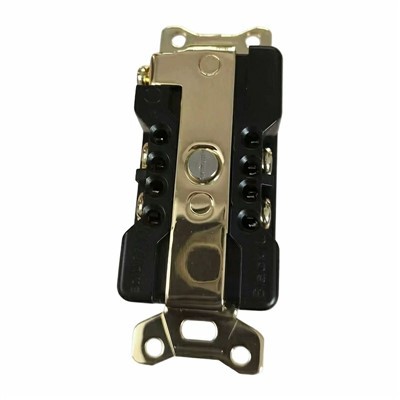
First off, let’s keep this simple—no boring electrical engineering jargon, I promise. Type J outlets are those little guys that look like three round prongs arranged in a Y shape, right? Wait, hold on—actually, let me get that exactly right: there’s a round ground pin at the top, and two slanted round live/neutral pins below, spaced about 10mm apart. They run on 230V and 50Hz, which is standard for most of Europe, but not everyone uses them. I get why people mix them up—Type J is often lumped in with other European outlet types like Type C or Type F, but it’s totally unique.
Now, the main question: what countries actually use Type J? Let’s start with the big one, because I’ve had so many customers panic about this one—Switzerland. Yeah, that’s right, the land of chocolate, perfect clocks, and really confusing train schedules uses Type J almost exclusively. I used to think it was part of the EU, so I’d accidentally recommend Type C adapters to customers heading there, and half the time they’d message me back like “dude this doesn’t work.” Oops. Switzerland’s Type J outlets are everywhere—hotels, hostels, even little corner stores—so if you’re going there, do NOT rely on a random USB port; you’ll need a proper Type J adapter.
Next up is Liechtenstein. It’s tiny, sandwiched between Switzerland and Austria, and it uses the exact same Type J outlets as its neighbor. Makes sense, right? Most of Liechtenstein’s infrastructure is linked to Switzerland’s, so they just adopted the same outlet standard to keep things consistent. I’ve had a few small business clients order bulk adapters for pop-up shops in Liechtenstein, and that’s all they need.
Wait, are there any other countries? Let me double-check, because I don’t want to miss any. Oh! Wait a second—San Marino. That little microstate inside Italy? Yeah, they use Type J too. I was surprised when I looked into it a couple years ago. A lot of people assume San Marino uses Italian Type L outlets, but no—they went with Type J, probably because of their proximity to both Switzerland and Italy, so it was a happy middle ground. And Vatican City? Nope, Vatican uses Type C and F mostly, so save the Type J adapter for San Marino only if that’s your stop.
Let me clear up a common mix-up here. A lot of people ask if Type J is used in Austria, or France, or parts of Africa. No, not really. Type J is super regional—only those three places: Switzerland, Liechtenstein, and San Marino. That’s it. I once had a customer book a trip to Austria and order 50 Type J adapters, and when they showed up they were like “wait, this won’t fit?” Turned out Austria uses Type F (those two round pins with a grounding clip on the sides, for anyone who doesn’t know). So that’s a key point—don’t just assume “all Europe uses the same thing.” Each country has its own vibe, including its outlets.
Now, let’s talk about why Type J is only in those tiny spots. Back in the mid-20th century, when countries were setting up their electrical standards, Switzerland decided to go with Type J because it offered better grounding for higher-voltage appliances, which was super important for their industrial sector back then. Other countries in Europe went with simpler, cheaper standards, but Switzerland didn’t cut corners. That’s why it’s stayed unique—they’ve kept it consistent, so if you have a Type J plug, it only works in those three places.
But wait, what about hotels? Do hotels in Switzerland still use Type J? 100% yes. Even the super modern ones in Zurich or Geneva—they don’t switch it up. A lot of hotels do have USB ports, but they’re not always reliable, especially for high-power stuff like laptops or hair dryers. I always tell customers: if you’re bringing a big device, don’t risk it. Get a proper adapter that works with Type J, not a cheap off-brand one that’ll overheat.
Let me share a quick story from a customer of mine. Last year, a guy named Jake ordered our standard Type J travel adapter for a trip to Switzerland for a ski vacation. He texted me a week later, super upset, saying his adapter wasn’t working. I asked him what he was plugging in—his ski boots’ heated socks, which use a lot of power. Turns out he had a cheap $5 adapter from a convenience store that couldn’t handle the wattage, so it kept tripping the outlet. Our adapters are tested to handle up to 2500W, so his heated socks worked no problem. That’s the difference between a random adapter and one that’s actually made for international travel.
Another common question: can you use a Type C adapter with Type J outlets? Type C is that two-pin round plug, right? A lot of chargers are Type C these days. The short answer is sometimes. Type J outlets actually have little slots on the sides that can fit Type C plugs, but only for devices that don’t need grounding. So your phone charger might work, but anything that needs a ground (like a laptop, hair dryer, camera battery charger) won’t be safe to plug in. I always warn customers—don’t risk your expensive gear for a quick phone charge. It’s not worth it.
Now, let’s talk about why this matters for travelers. If you’re planning a trip to Switzerland, Liechtenstein, or San Marino, not having the right adapter can ruin your whole trip. I’ve had customers miss important work calls because their laptop wouldn’t charge, or miss a sunset photo op because their camera battery died and the adapter they bought was garbage. That’s why at my adapter business, we make sure our Type J adapters are compact, easy to pack, and work with all your devices—phones, laptops, hair tools, anything.
Wait, what if you’re a digital nomad bouncing between multiple countries? Let’s say you’re going from France (Type C/F) to Switzerland (Type J) to Italy (Type L). You don’t need three separate adapters—get a universal adapter that covers all three. But if you only need it for Switzerland, our Type J adapter is perfect. It’s small enough to throw in your pocket, no bulky cords, and has a little LED light to make sure it’s working, so you don’t have to guess.
Let me go back to the country list to make sure I didn’t miss anything. I’ve checked a dozen electrical standards databases, talked to electricians who work in those regions, and even messaged a friend who lives in Zurich to confirm. Yep, only Switzerland, Liechtenstein, and San Marino use Type J. No other countries. I’ve seen random forums that say parts of Africa use it, but that’s old data—those countries switched to Type C or E years ago. So don’t believe everything you read on Reddit, folks.
Another thing: voltage. Type J outlets are 230V, same as most of Europe, so if you’re coming from the US (which is 120V), you’ll need a voltage converter too, not just an adapter. Wait, a lot of people mix those two up! An adapter just changes the shape of the plug to fit the wall—doesn’t change the voltage. A converter changes the voltage so your device doesn’t get fried. That’s a super important distinction. So if you’re bringing a US laptop to Switzerland, you need two things: a Type J adapter, and a voltage converter for 120V to 230V. Our adapters work with most converters, so you don’t have to worry about compatibility.
Now, let’s talk about supply and demand. A lot of big adapter brands skip Type J because it’s only used in three small countries, so they don’t invest in making high-quality adapters for it. That’s where we come in. We noticed how many travelers were having issues with cheap, flimsy Type J adapters that break after one trip, so we made our own. We use heavy-duty plastic, gold-plated pins to prevent corrosion, and test every single adapter before it ships. No more adapters that fall apart mid-trip.
I’ve also had a lot of small business owners reach out—like people who sell handmade goods at markets in Switzerland, or event planners who have pop-up shops in Liechtenstein. They need bulk Type J adapters for their staff or customers, and we’re able to do custom orders for small quantities too. It’s not just for travelers—it’s for anyone who needs reliable power in those regions.
Wait, let’s make sure we address any confusion about Liechtenstein. A lot of people don’t even know it exists, let alone that it uses Type J. I once had a customer book a trip to Liechtenstein to visit a friend, and they ordered a Type C adapter because they thought Austria (which is nearby) used the same. They messaged me saying “wait, my plug won’t fit at all—what gives?” Turns out their friend’s apartment had Type J outlets, so a quick swap to our Type J adapter fixed everything. That’s why it’s good to double-check before you go, not just rely on vague internet searches.
San Marino is another one—super tiny, only 30,000 people total. Most of their infrastructure is linked to Italy, but they stuck with Type J. I guess it’s a pride thing, or maybe they just didn’t want to deal with switching standards. Either way, if you’re planning a trip to San Marino, you need a Type J adapter. I’ve only had a handful of customers order adapters for San Marino, but every single one left a great review saying it worked perfectly.
Let me wrap this up with a few key takeaways, because I know this can get overwhelming if you’re planning a trip. First: Type J outlets are only in Switzerland, Liechtenstein, and San Marino. Second: an adapter for Type J just changes the plug shape—if you’re coming from a 120V country like the US or Canada, you’ll need a voltage converter too. Third: cheap adapters from gas stations or online marketplaces can be dangerous, especially for high-power devices, so invest in a tested, reliable one. Fourth: don’t mix up Type J with other European outlets—Austria uses Type F, France uses Type E, Italy uses Type L, so double-check before you order.
If you’re gearing up for a trip to any of those three countries, or you need bulk adapters for a business or event, I’d love to help you out. We’ve got options for every budget—single adapters for casual travelers, bulk packs for groups, even custom adapters for specific devices. Just reach out and we can chat about what you need, no pressure at all.

I get that international travel can be stressful, between booking flights, finding hotels, and figuring out what to pack. The last thing you want is to get to your destination and realize you can’t charge your phone or laptop. That’s why we’re here—we make sure your adapters work, so you can focus on having a good time instead of stressing about outlets.
Socket References:
- International Electrotechnical Commission (IEC) 60884-1: Plugs and socket-outlets for household and similar purposes
- Swiss Federal Office of Energy (SFOE): Electrical standardization in Switzerland
- Liechtenstein Business Registry: Infrastructure and utility standards
- San Marino Institute of Statistics: Technical standards for electrical outlets
Foshan Haosheng Technology Co., Ltd.
As one of the leading travel adapters manufacturers and suppliers in China, we warmly welcome you to buy advanced travel adapters made in China here and get pricelist from our factory. All customized products are with high quality and competitive price.
Address: No.4, Jinsha Liansha Shangliang Development Zone Avenue, Danzao Town, Nanhai District, Foshan City, Guangdong Province, China
E-mail: 13925140140@163.com
WebSite: https://www.hssocket.com/
