A textile brushing machine is a crucial piece of equipment in the textile industry, designed to enhance the quality and appearance of fabrics. As a leading supplier of textile brushing machines, I am often asked about the main components that make up these machines. In this blog post, I will delve into the key elements of a textile brushing machine, explaining their functions and importance in the overall process. Textile Brushing Machine
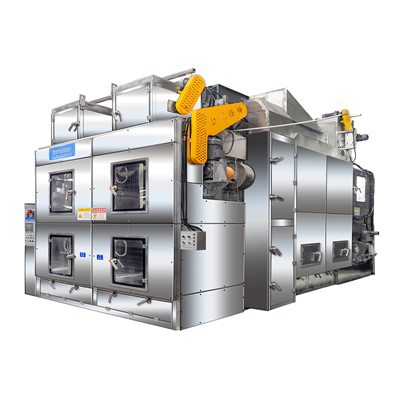
1. Frame and Structure
The frame of a textile brushing machine serves as the foundation, providing stability and support for all other components. It is typically made of high – strength steel or cast iron to withstand the mechanical stresses during operation. The design of the frame ensures that the machine can operate smoothly and maintain its precision over long periods. A well – constructed frame also helps in reducing vibrations, which can affect the quality of the brushing process. For example, a rigid frame prevents the machine from shaking, ensuring that the brushes make consistent contact with the fabric.
2. Brushing Rollers
Brushing rollers are the heart of the textile brushing machine. These rollers are covered with brushes made from various materials such as natural fibers (e.g., horsehair), synthetic fibers, or wire. The type of brush material used depends on the specific requirements of the fabric being processed. For instance, horsehair brushes are gentle and are often used for delicate fabrics, while wire brushes are more suitable for heavy – duty brushing of coarse fabrics.
The brushing rollers rotate at high speeds, and their surface speed can be adjusted according to the fabric type and the desired brushing effect. The number of brushing rollers in a machine can vary from two to several, depending on the complexity of the brushing process. Multiple rollers can provide a more thorough and uniform brushing, allowing for different levels of brushing intensity.
3. Drive System
The drive system is responsible for powering the rotation of the brushing rollers and other moving parts of the machine. It usually consists of an electric motor, belts, pulleys, and gears. The electric motor provides the necessary power, and the belts and pulleys transfer the power from the motor to the rollers. Gears are used to adjust the speed and torque of the rollers.
A reliable drive system is essential for maintaining a consistent brushing speed and ensuring the quality of the finished fabric. Modern textile brushing machines often use variable – speed drives, which allow operators to adjust the speed of the rollers precisely according to the fabric requirements. This flexibility is crucial for achieving different brushing effects on various types of fabrics.
4. Fabric Feeding Mechanism
The fabric feeding mechanism is designed to move the fabric through the brushing machine at a controlled speed. It typically includes a set of rollers or conveyor belts that grip the fabric and transport it through the brushing area. The feeding speed can be adjusted to match the brushing speed of the rollers, ensuring that the fabric is brushed evenly.
Proper fabric feeding is essential for achieving a uniform brushing effect. If the fabric is fed too quickly, the brushing may be incomplete, while feeding it too slowly can result in over – brushing. The fabric feeding mechanism also needs to be able to handle different types of fabrics, including those with different thicknesses and textures.
5. Dust Collection System
During the brushing process, a significant amount of dust and lint is generated. A dust collection system is necessary to keep the working environment clean and to prevent the dust from accumulating on the fabric and the machine. The dust collection system usually consists of a suction fan, a dust filter, and a collection bin.
The suction fan creates a negative pressure that draws the dust and lint into the dust filter. The filter traps the dust, while the clean air is released back into the environment. The collection bin collects the trapped dust, which can be emptied periodically. A well – functioning dust collection system not only improves the working conditions but also helps to maintain the quality of the fabric by preventing dust from sticking to it.
6. Control Panel
The control panel is the interface between the operator and the textile brushing machine. It allows the operator to control various parameters such as the speed of the brushing rollers, the fabric feeding speed, and the duration of the brushing process. The control panel is usually equipped with a touch – screen display, which provides a user – friendly interface for setting and monitoring the machine’s operation.
In addition to basic control functions, modern control panels may also include advanced features such as programmable logic controllers (PLCs). PLCs can store and execute pre – programmed brushing sequences, allowing for greater automation and consistency in the brushing process. This is particularly useful for large – scale production, where the same brushing effect needs to be achieved repeatedly.
7. Tension Control System
The tension control system is used to maintain a consistent tension on the fabric as it passes through the brushing machine. This is important because uneven tension can cause the fabric to stretch or wrinkle, affecting the quality of the brushing. The tension control system typically consists of tension sensors and actuators.
The tension sensors measure the tension of the fabric, and the actuators adjust the tension by applying or releasing pressure on the fabric. By maintaining a constant tension, the fabric can be brushed evenly, and the risk of damage to the fabric is reduced.
8. Safety Devices
Safety is a top priority in the operation of textile brushing machines. These machines are equipped with various safety devices to protect the operators from potential hazards. Some common safety devices include emergency stop buttons, safety guards, and interlocks.
Emergency stop buttons are located in easily accessible positions on the machine, allowing the operator to quickly stop the machine in case of an emergency. Safety guards are used to enclose the moving parts of the machine, preventing operators from coming into contact with them. Interlocks are designed to prevent the machine from operating if the safety guards are open or if other safety conditions are not met.
Conclusion

In conclusion, a textile brushing machine is a complex piece of equipment composed of several key components. Each component plays a vital role in the overall performance of the machine and the quality of the finished fabric. As a supplier of textile brushing machines, we understand the importance of these components and strive to provide high – quality machines that meet the diverse needs of our customers.
Textile Washing Machine If you are in the textile industry and are looking for a reliable textile brushing machine, we are here to help. Our machines are designed with the latest technology and high – quality components to ensure efficient and precise brushing. Whether you are processing delicate fabrics or heavy – duty materials, we have a solution for you. Contact us today to discuss your requirements and let us help you find the perfect textile brushing machine for your business.
References
- Textile Machinery Handbook, 2020 Edition
- Journal of Textile Engineering and Technology, Volume 15, Issue 2
- Proceedings of the International Textile Machinery Conference, 2022
Jiangsu Feng Te Technology Co., Ltd.
We’re well-known as one of the leading textile brushing machine manufacturers in China. With a professional production team, we are able to meet the needs of the majority of our customers. Please rest assured to buy discount textile brushing machine for sale here from our factory.
Address: No. 4 Zhanghong Road, Siying Industrial Park, Lianyungang City, Jiangsu Province, China
E-mail: frentejenny@foxmail.com
WebSite: https://www.jsfrente.net/
